
Decades of abandoned pipe in the ground. Which of it are you taking on?
At a contract-operated wastewater plant, the operator can own equipment sitting in ground it never leased, tied into a neighboring system, running beside decades of line abandoned in place. The incoming vendor assumes whatever the outgoing one hands over. If the number doesn't separate live from dead and owned from not, the buyer pays for line it can't use and equipment that isn't the seller's to give.
A wastewater treatment equipment appraisal in a transfer starts with ownership: what the operator owns outright, what sits in ground or ties into a system it doesn't control, and what was abandoned in place. I value only the owned, live equipment, as a treatment train, with obsolescence weighed against wear. Everything excluded is listed with the reason.
BAZZLE appraises wastewater treatment equipment across the country: contract-operated municipal facilities, investor-owned systems, and the pretreatment plants inside food, chemical and industrial operations. The work is USPAP compliant and carries the MCMEA, held by fewer than 30 appraisers in the United States.
Equipment the vendor owned, in ground it never leased.
One engagement was a wastewater treatment facility running under a long-term service contract that was changing hands from one operating vendor to another. The complication was ownership. The operating company owned equipment sitting in ground it neither owned nor leased, tied into both the facility it served and a neighboring municipal system.
There were decades of abandoned pipe left buried, because pulling it was never worth the cost. New line simply ran alongside the old. Valuing what transferred meant separating what the vendor actually owned from what was in the ground, what was live from what had been abandoned in place, and pricing the backup generation they had added across the pump stations.
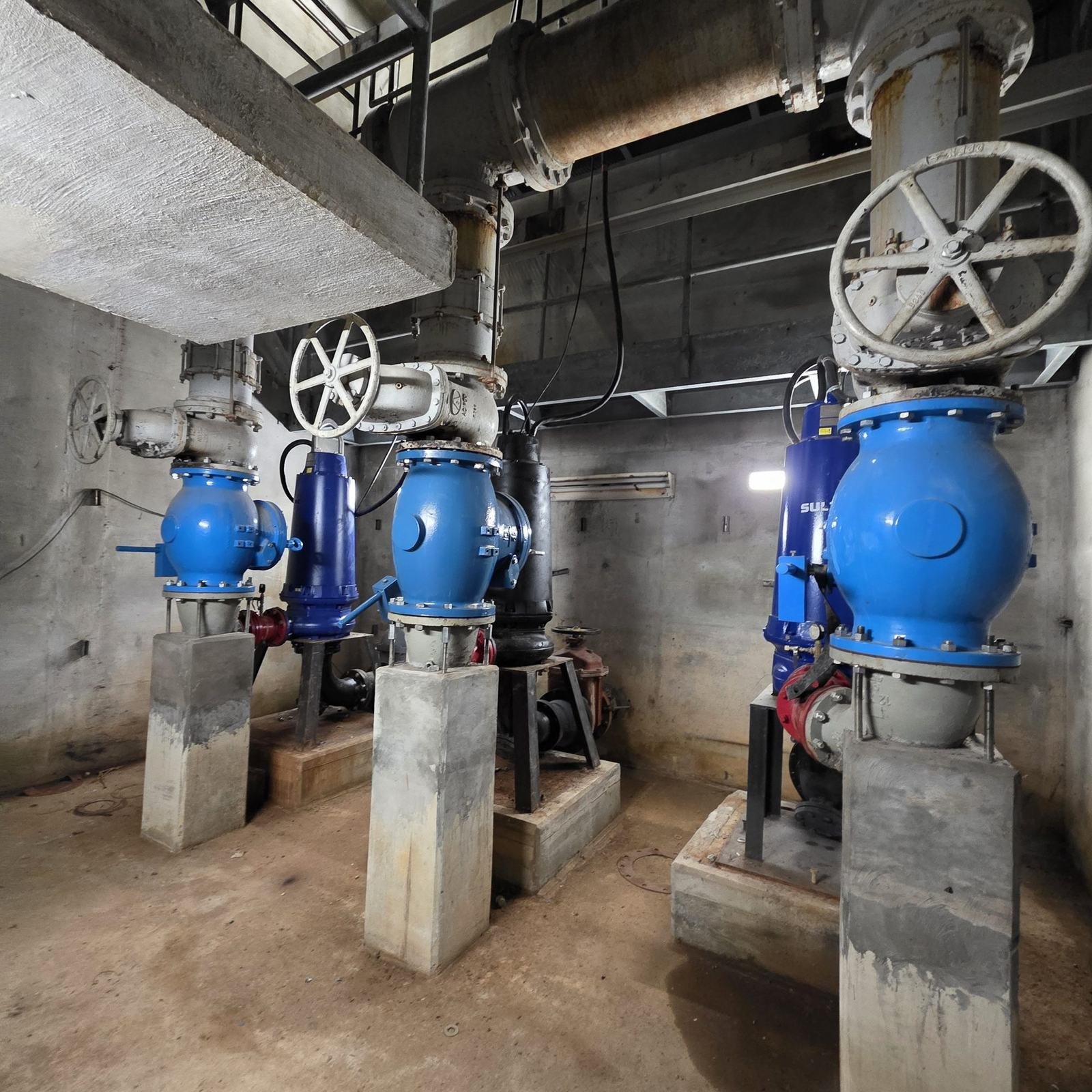
In a transfer like that, the incoming vendor takes responsibility for whatever the outgoing one conveys. Leaving dead pipe in the ground was a sound call when pulling it cost more than it was worth. It still has to come off the number. A schedule that lumps live line with dead, and owned equipment with everything around it, gives the buyer a value built on assets that either can't be used or aren't the seller's to give.
With ownership mapped, I value what's left as a treatment train. A clarifier is worth what it is inside the train it serves, between the aeration ahead of it and the solids handling behind it. Obsolescence usually matters more than wear. A plant built to an older discharge limit, or running blowers whose power bill a buyer won't accept, can be worth well below its installed cost while every bearing still turns. Pumps, blowers, centrifuges and belt presses have a secondary market; clarifier mechanisms and built-in-place basins mostly don't.
Headworks to outfall, plus the stations and power that keep it running.
-
Liquid-stream treatment
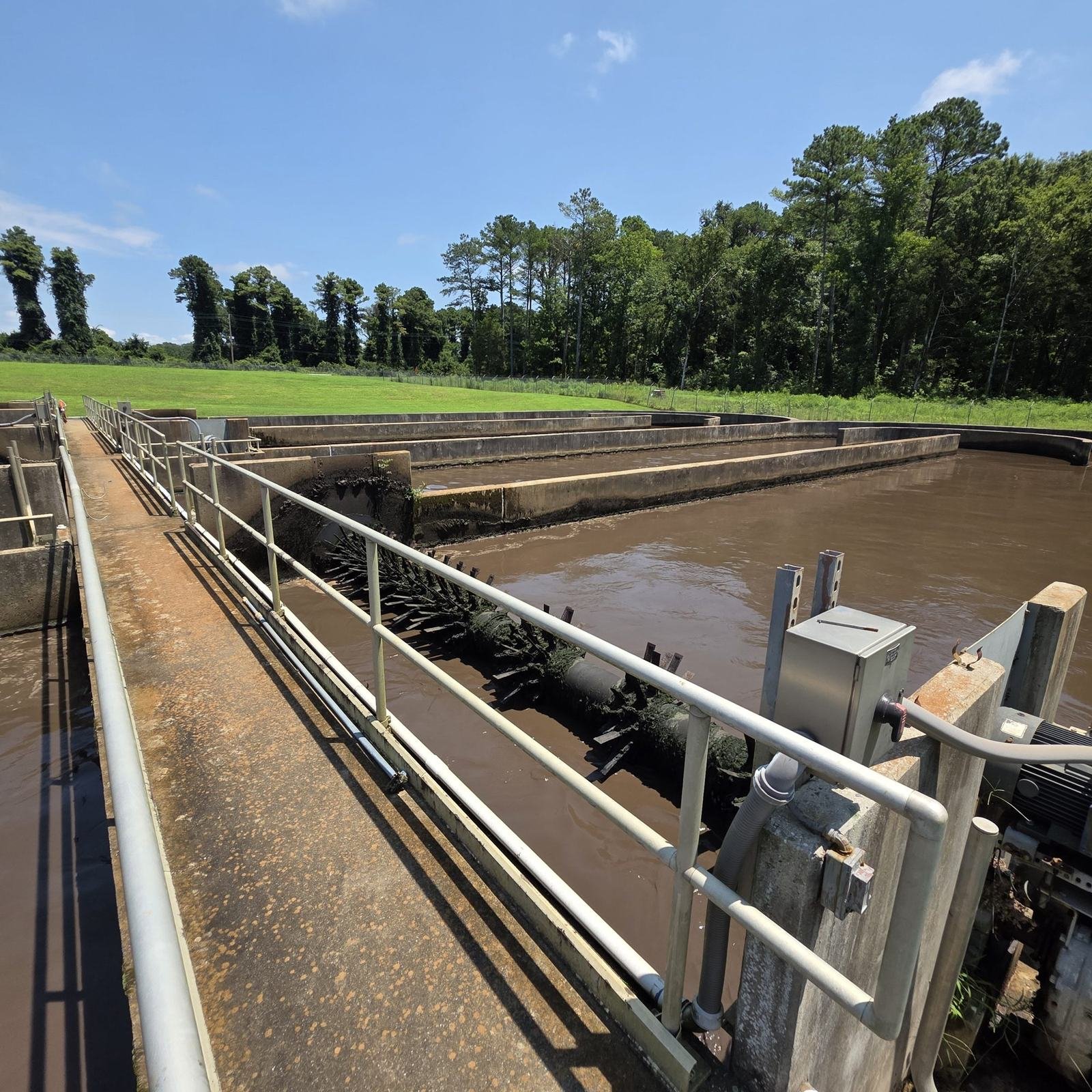
Bar screens, screenings washers and grit systems; primary and secondary clarifier mechanisms; equalization mixers; positive-displacement, multistage and turbo aeration blowers with diffuser grids; activated sludge, SBR, oxidation ditch, MBR and MBBR systems; tertiary disk, cloth and sand filters; UV, chlorination and dechlorination.
-
Solids & biosolids handling
Gravity, DAF, rotary-drum and gravity-belt thickeners; anaerobic digesters with mixers, boilers, flares and gas conditioning; belt filter presses, decanter centrifuges and screw presses; thermal dryers, lime stabilization and cake conveyors.
-
Pumping, controls & standby power
Influent, lift-station, RAS/WAS and sludge-transfer pumps; chemical feed and storage; SCADA, PLCs and process analyzers; flow meters; standby generators and transfer switches across the pump stations; odor control scrubbers and biofilters; and the force mains and collection piping where ownership can be established.
Operator transitions, utility deals, plant sales and claims.
In a contract operator transition, the incoming vendor needs to know what it is taking on and what stays behind. In the acquisition of an investor-owned system or a utility roll-up, obsolescence can open a gap between the price and the plant. When an industrial plant sells with on-site treatment, the basins go with the real property while the mechanisms, blowers and controls carry the equipment value, and someone has to separate the two. Equipment financing turns the question to what the equipment brings if it has to be sold. An insurance claim after a flood, fire or major failure starts from the schedule written before it. Bankruptcy or workout puts built-in-place equipment in front of a secondary market that mostly isn't there.
An operating transfer usually looks to Fair Market Value in continued use, for the equipment that is owned and live. A lender also wants to see Orderly Liquidation Value, which on built-in-place treatment equipment can fall far below what it cost to install. The report states the premise and lists what was excluded and why.
Wastewater equipment appraisals: what owners and operators ask.
-
What transfers in an operator change?
Only what the outgoing operator owns and can convey. Equipment on ground it doesn't own or lease, piping tied into a neighboring system, and line abandoned in place get identified and separated before I put a number on the transfer.
-
Is abandoned pipe given any value?
No. Pipe left in the ground because pulling it was never worth the cost has no operating use, and crediting it overstates what the buyer receives. The report lists it as excluded and says why.
-
Why value the plant as a train?
Because each stage depends on the stages around it. A clarifier or digester is worth what it contributes inside the process it serves; pull one stage out and the others reprice.
-
Can a working plant be obsolete?
Yes. A plant built to an older discharge limit, or running inefficient aeration a buyer won't pay the power bill for, can be worth well below installed cost while it still runs. Obsolescence often outweighs wear here.
-
What wastewater equipment do you appraise?
Headworks, clarifiers, aeration blowers and diffusers, biological treatment systems, filters and disinfection; thickeners, digesters, presses, centrifuges and dryers; pumps, lift stations, chemical feed, SCADA and instrumentation, standby generators and odor control.
-
Is standby generation included?
Yes, where the operator owns it. Backup generation added across the pump stations is easy to miss on a schedule built around the plant, so I list and value each generator at the station where it sits.
Before the contract changes hands, does anyone know which line is live?
Tell me the facility, the pump stations and the transaction, and I'll scope what has to be mapped before anything is valued.
USPAP-compliant · MCMEA-credentialed · Ownership mapped · Treatment train · Lift stations