
Heavy construction equipment appraisal — the deep market cuts both ways.
Construction equipment has the deepest resale market of any heavy iron, which sounds like it makes appraisal easy. It doesn't — the volume of comparable data is exactly what a generalist misreads, because hours, condition, attachments, and rebuild history spread the value of two identical model-year machines by a wide margin. This is field-verified, USPAP-compliant appraisal for contractors, with values that hold up when a lender, surety, insurer, or court pushes on them.
Construction iron trades in a deep, liquid market — but that's a trap, not a shortcut. Two machines of the same make, model, and year can differ in value by a wide margin on hours, condition, attachments, and rebuild history, and auction data has to be interpreted, not copied. A credentialed appraiser who inspects the equipment and reads the market produces a defensible number; a generalist averaging list prices produces one that a lender's appraiser or opposing expert takes apart.
BAZZLE appraises heavy construction equipment nationwide — earthmoving, site development, utility, paving, and crane operations — onsite, desktop, or virtual. The credential behind the number is the MCMEA, held by 26 appraisers in the United States, and it's backed by field time on real jobsites, not a desk read of an auction guide.
Deep data, wide spreads, and comps that need judgment.
The deep market is the problem, not the solution. Because construction equipment sells constantly, there's a flood of comparable data — and a flood of ways to read it wrong. Two identical excavators can be worth very different numbers once hours, undercarriage condition, attachments, prior rebuilds, and regional demand are accounted for. A generalist averaging auction results without inspecting the machine produces a number that looks supported and falls apart the moment it's tested.
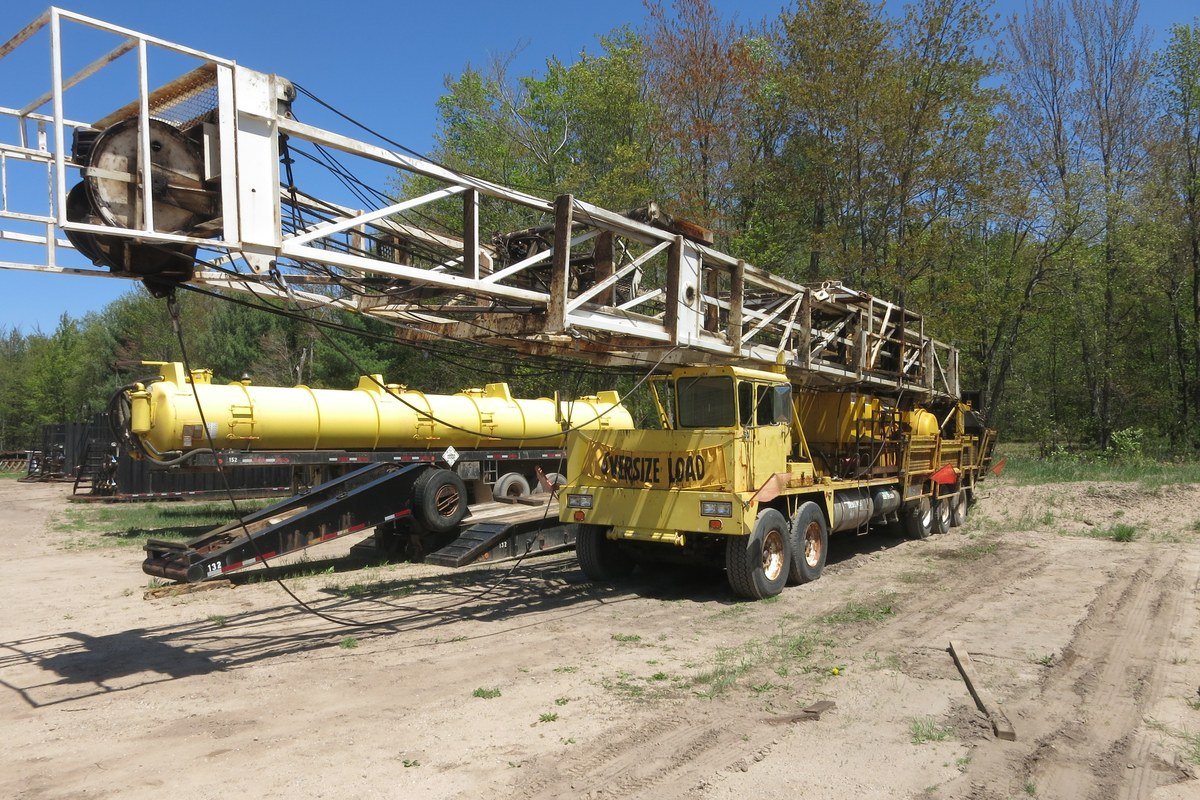
Contractors also carry a wider mix than any other sector — earthmoving, compaction, paving, cranes, trucks, and attachments across multiple makes and vintages — and the group has to be valued as a working operation, not a stack of individual line items. On top of that, construction appraisals often run against a clock: a surety renewal, a bonding line, or a loan closing that can't slip. Getting it right and getting it on time is the whole job.
Earthmoving, lifting, and everything in the yard.
-
Earthmoving & site
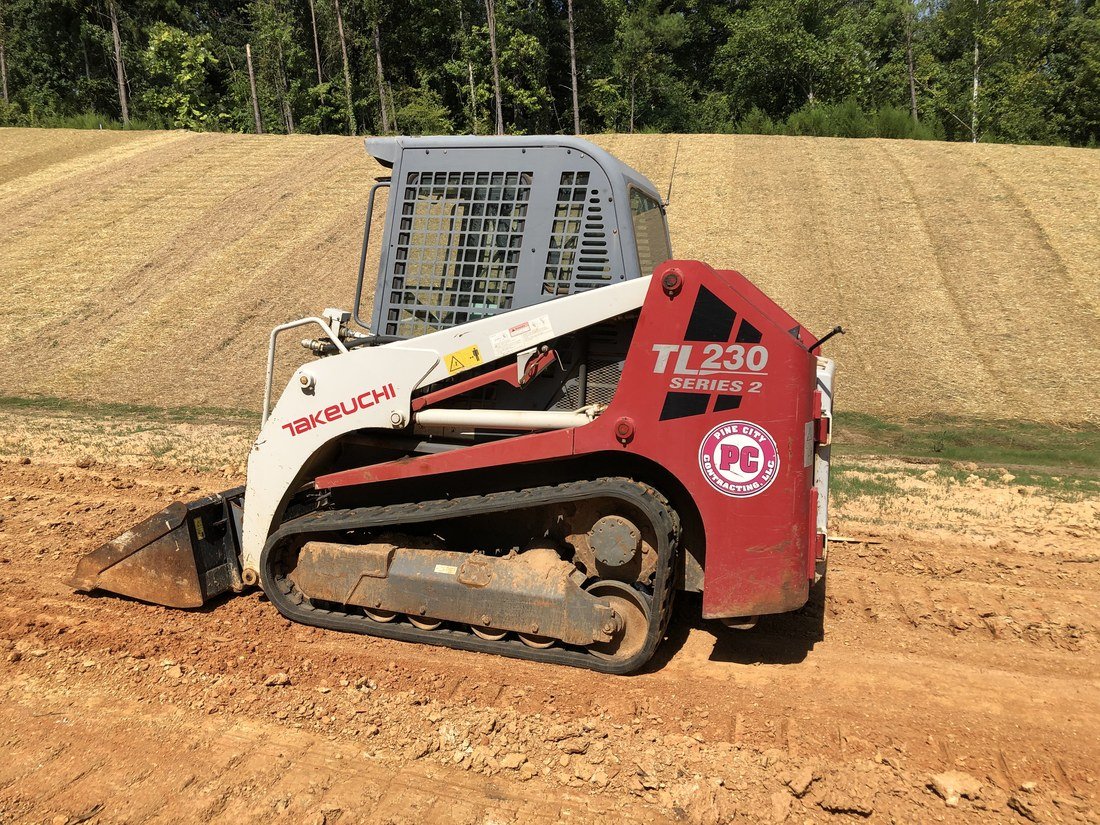
Hydraulic excavators, dozers, wheel loaders, backhoes, motor graders, scrapers, articulated and rigid haul trucks, compaction equipment, skid steers and compact track loaders — the core iron that moves dirt and builds the site.
-
Cranes & lifting
Crawler, rough-terrain, all-terrain, and truck-mounted cranes, boom trucks, and material handlers — higher-value, thinner-market equipment where capacity, configuration, and history drive the value.
-
Paving, utility & support
Asphalt pavers and milling machines, trenchers and drills, rollers, water and fuel trucks, generators and light plants, and the attachments and support equipment that round out a contractor's operation.
The moments the number has to hold.
Heavy construction contractors commission appraisals at the same predictable triggers as any heavy-industry operator, plus one this sector feels acutely — surety bonding, where equipment strengthens the balance sheet behind a bonding line: financing and refinancing of equipment-secured credit; insurance replacement-cost schedules and post-loss claims; buying or selling equipment or the business; bankruptcy and workouts; and estate, tax, and property-tax matters. Each fixes the value type it needs.
Which standard applies — Fair Market Value, Orderly Liquidation Value, or Forced Liquidation Value — is driven by the purpose, not by preference. If you're not sure which you need, start with the value-type breakdown; if you know the trigger, go straight to the guide for it.
Heavy construction equipment appraisals — straight answers.
-
Why a specialist if there are so many comps?
Because the volume of data is what gets misread. Two identical machines can differ widely in value on hours, condition, attachments, and rebuild history, and auction results have to be interpreted rather than copied. A generalist averaging list prices produces a number that looks supported and comes apart under a lender's or opposing expert's review; an inspection-based appraisal holds.
-
What construction equipment do you appraise?
Earthmoving and site — excavators, dozers, wheel loaders, backhoes, graders, scrapers, haul trucks, compaction, skid steers and compact track loaders. Cranes and lifting — crawler, rough-terrain, all-terrain, and truck-mounted cranes, boom trucks, material handlers. And paving, utility, and support — pavers, milling machines, trenchers, rollers, trucks, generators, and attachments.
-
Do you appraise for surety bonding?
Yes. Contractors regularly need a credentialed equipment appraisal to support a bonding line, because owned equipment strengthens the balance sheet the surety underwrites against. The report has to be independent, USPAP-compliant, and current, and it often runs on a deadline tied to a bonding review — which is built into how the engagement is scheduled.
-
How do hours and condition affect value?
They often matter more than model year. Two same-year machines can carry very different values once hours, undercarriage and component wear, attachments, and rebuild history are accounted for. A field-verified inspection captures the actual condition, which is what separates a defensible number from an auction-guide average that doesn't survive scrutiny.
-
What value type do lenders and sureties require?
Most equipment-secured construction lending uses Fair Market Value and Orderly Liquidation Value, with OLV as the controlled-disposition floor; some lenders also want Forced Liquidation Value. Sureties generally look at Fair Market Value or Orderly Liquidation Value of owned equipment as balance-sheet support. The requester specifies the standard, and the appraisal concludes to it.
-
Can you handle a large mixed group on a deadline?
Yes. Contractors run wide, multi-make groups, and the operation is valued as a working whole rather than a pile of line items. When a loan closing, bonding review, or transaction sets the clock, the engagement is scoped and scheduled to hit it — onsite, desktop, or a hybrid — without cutting the field verification that makes the number defensible.
Get a construction equipment number that holds.
Fifteen minutes to scope it — the equipment group, the deadline, and why you need the appraisal. You get a field-verified, USPAP-compliant valuation from an appraiser who reads the comps instead of copying them.
USPAP-compliant · MCMEA-credentialed · Lenders · Sureties · Courts