
Mining & coal equipment appraisal — from an appraiser who has walked the pit.
Mining and coal equipment is some of the hardest iron in the world to value correctly: thin buyer pools, few clean comparable sales, and a hard line between surface and underground that a generalist never sees. This is field-verified, USPAP-compliant appraisal for the operations that run draglines, shovels, haul trucks, continuous miners, and preparation plants — values that hold up when a lender, insurer, or court pushes on them.
Mining equipment doesn't trade like construction equipment. Draglines, electric rope shovels, off-highway haul trucks, continuous miners, and coal preparation plants move in narrow markets with little clean auction data, and surface iron is nothing like underground. A credentialed appraiser with real time in the pit produces a defensible number; a generalist applying broad depreciation curves produces one that fails the first time it's challenged.
BAZZLE appraises mining and coal equipment across every major U.S. basin — the Powder River, Appalachia, the Illinois Basin, and beyond — onsite, desktop, or virtual. The credential behind the number is the MCMEA, held by 26 appraisers in the United States, and it's backed by field time most appraisers never put in: on the bench, in the prep plant, and underground.
Specialized iron, a thin market, and no room to guess.
A late-model excavator has a deep resale market and easy comparables. A dragline, an electric rope shovel, or a coal preparation plant does not — the buyer pool is small, the sales are infrequent, and a generalist's depreciation curve has nothing real underneath it. Get the specialized end of the market wrong and the number is indefensible the moment a lender's appraiser or an opposing expert looks at it.
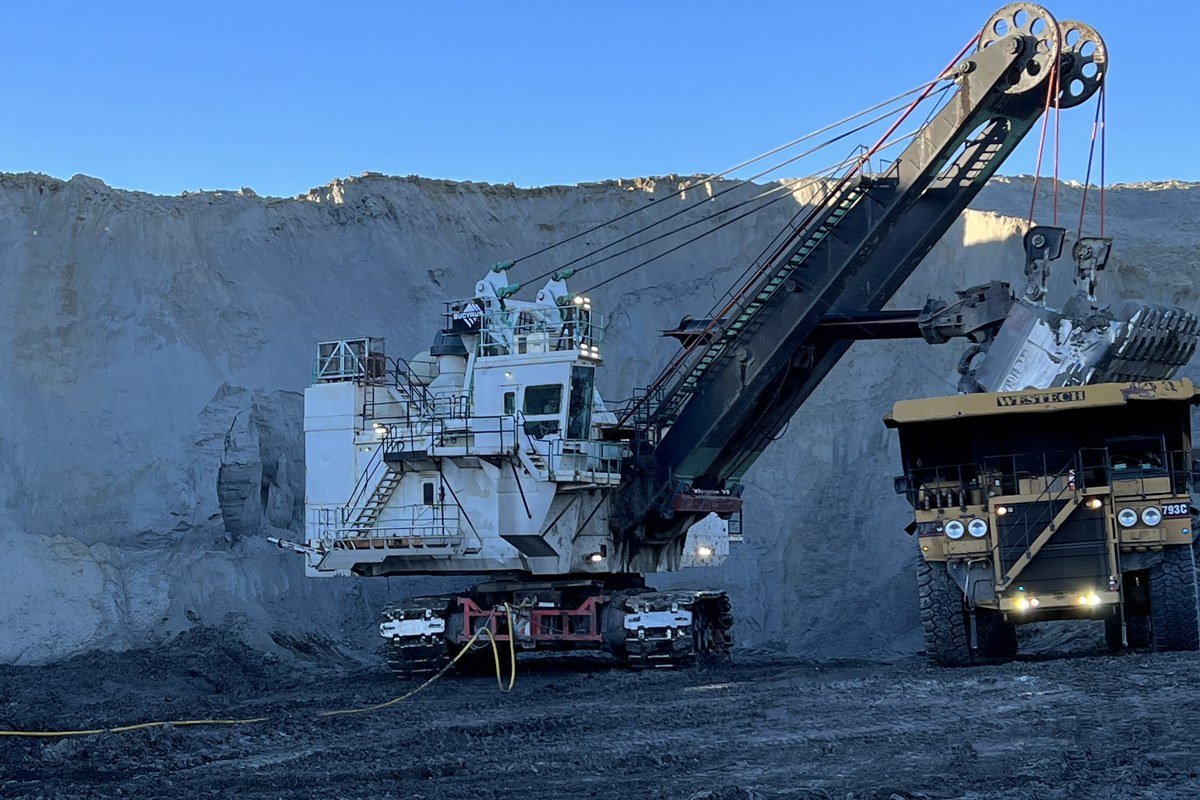
Surface is not underground, and it shows up in the value. Continuous miners, shuttle cars, roof bolters, and longwall components carry different markets, different condition drivers, and different obsolescence than draglines, shovels, and off-highway trucks. Hours, rebuilds, and remaining component life move the number more than year of manufacture ever will — and knowing that difference is the whole job.
Surface, underground, and everything that moves the coal.
-
Surface mining
Draglines, electric rope shovels, hydraulic excavators, off-highway haul trucks, large dozers and wheel loaders, blast-hole drills, motor graders, and water trucks — the heavy iron that moves overburden and product.
-
Underground mining
Continuous miners, longwall systems and components, shuttle cars, roof bolters, scoops, feeder-breakers, mantrips, and highwall miners — the specialized equipment most appraisers never see, let alone value.
-
Coal handling & processing
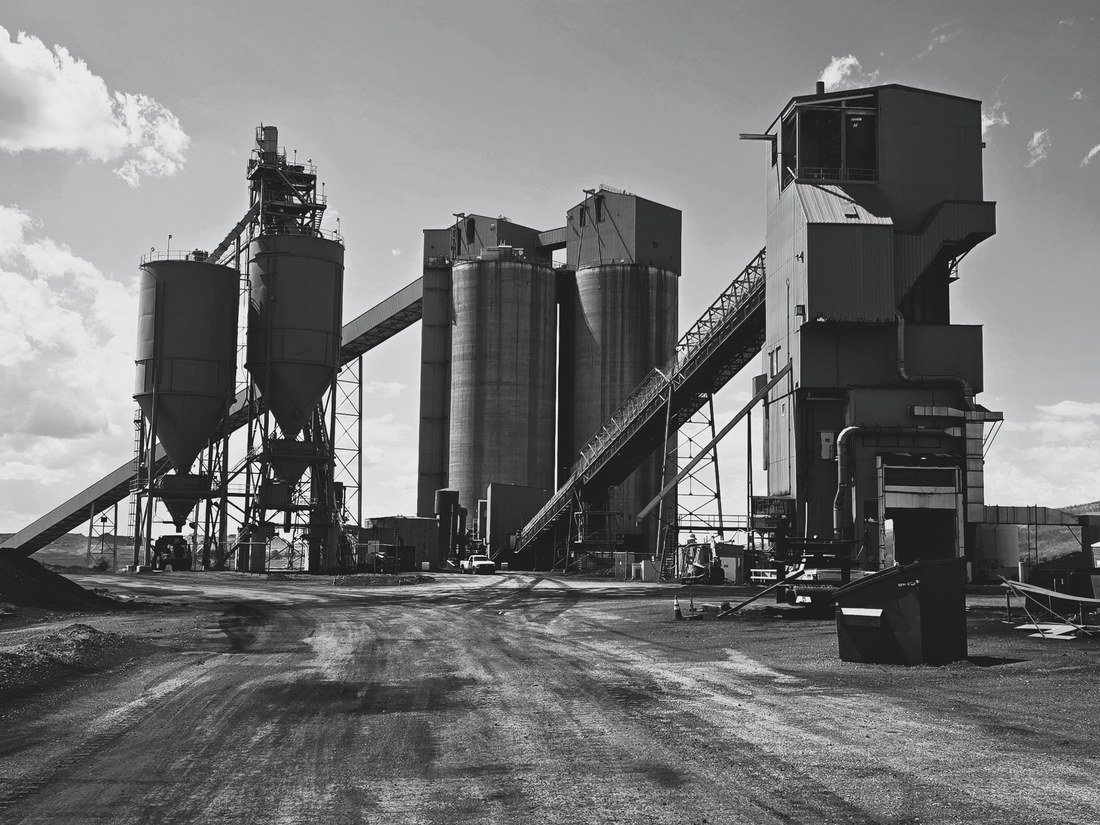
Preparation and wash plants, crushers and sizers, screens, heavy-media circuits, conveyors and stackers, silos, and rail load-out — the stationary process equipment that trades in the thinnest market of all.
The moments the number has to hold.
Mining and coal operations commission appraisals at the same predictable triggers as any heavy-industry operator, but with higher stakes because the assets are so specialized: financing and refinancing of equipment-secured or reserve-based credit; insurance replacement-cost schedules and post-loss claims; buying or selling an operation; bankruptcy and workouts, which the coal sector knows well; and estate, tax, and property-tax matters. Each fixes the value type it needs.
Which standard applies — Fair Market Value, Orderly Liquidation Value, or Forced Liquidation Value — is driven by the purpose, not by preference. If you're not sure which you need, start with the value-type breakdown; if you know the trigger, go straight to the guide for it.
Mining equipment appraisals — straight answers.
-
Does mining equipment need a specialist?
Yes. Draglines, electric rope shovels, continuous miners, and coal preparation plants trade in thin markets with little clean comparable data, and surface equipment behaves nothing like underground. A generalist applying broad depreciation curves produces a number that fails under a lender's review or a court's scrutiny; class-specific experience is what makes it defensible.
-
What mining equipment do you appraise?
Surface iron — draglines, electric rope shovels, hydraulic excavators, off-highway haul trucks, dozers, wheel loaders, blast-hole drills, graders, water trucks. Underground equipment — continuous miners, longwall systems, shuttle cars, roof bolters, scoops, mantrips, highwall miners. And coal handling and processing — preparation and wash plants, crushers, screens, conveyors, stackers, silos, and rail load-out.
-
Can you value a dragline or prep plant with no comps?
Yes — that's exactly where a specialist earns the engagement. When clean comparable sales are scarce, the value is built from the cost approach, component and remaining-life analysis, and the specialized market data that a generalist doesn't have access to or know how to weigh. The result is a documented, defensible number rather than a guess dressed up as one.
-
Surface and underground both?
Both. Surface and underground carry different markets, condition drivers, and obsolescence, and the value reflects it. Field time in both environments — on the bench and underground — is what makes the distinction real in the report rather than a footnote.
-
What value type do mining lenders require?
Most equipment-secured mining lending uses Fair Market Value and Orderly Liquidation Value, with OLV serving as the controlled-disposition floor; some lenders also want Forced Liquidation Value as a worst-case number. The lender specifies it. On specialized mining iron the spread between these standards can be wide, which is another reason the appraiser's sector experience matters.
-
Do you work with coal operations?
Yes. Coal — surface and underground, from the pit through the preparation plant and rail load-out — is core to the practice, including the workout and bankruptcy situations the sector has seen. The equipment, the markets, and the regulatory context are ones the appraisal is built around, not learned on your job.
Get a mining equipment number that holds.
Fifteen minutes to scope it — the equipment, the location and basin, and why you need the appraisal. You get a field-verified, USPAP-compliant valuation from an appraiser who knows the difference between surface and underground iron.
USPAP-compliant · MCMEA-credentialed · Surface · Underground · Coal