
Oil & gas equipment appraisal — priced to the cycle, not the sticker.
Oil and gas iron is valued against a moving commodity price, a market that can go from tight to flooded in a quarter, and a hard split between upstream, midstream, and downstream that changes what a piece is actually worth. This is field-verified, USPAP-compliant appraisal for the operations that run drilling and workover rigs, pumping units, tank batteries, compressors, and process equipment — values that hold up when a lender, insurer, or court pushes on them.
Oil and gas equipment doesn't hold a stable value the way most iron does — it tracks the commodity cycle. When prices fall, rigs stack, buyers vanish, and idle equipment discounts hard; when they rise, the same iron is worth multiples more. A credentialed appraiser who reads the cycle and knows the difference between upstream, midstream, and downstream equipment produces a defensible number; a generalist working off a depreciation table produces one that's wrong in either direction.
BAZZLE appraises oil and gas equipment across the producing basins — the Permian, the Bakken, the Anadarko, Appalachia, and beyond — onsite, desktop, or virtual. The credential behind the number is the MCMEA, held by 26 appraisers in the United States, and it's backed by field time in the yards, on the pad, and through the process side where most appraisers never go.
A cyclical market, custom iron, and a hard split by segment.
Value in this sector is a moving target. A drilling rig, a compressor package, or a tank battery is worth one number in a $90 market and a fraction of it in a $40 one, and idle equipment sitting in a stacking yard carries a discount a generalist won't apply. Miss the cycle and the equipment's actual market position and the number is indefensible the moment a lender's appraiser or an opposing expert looks at it.
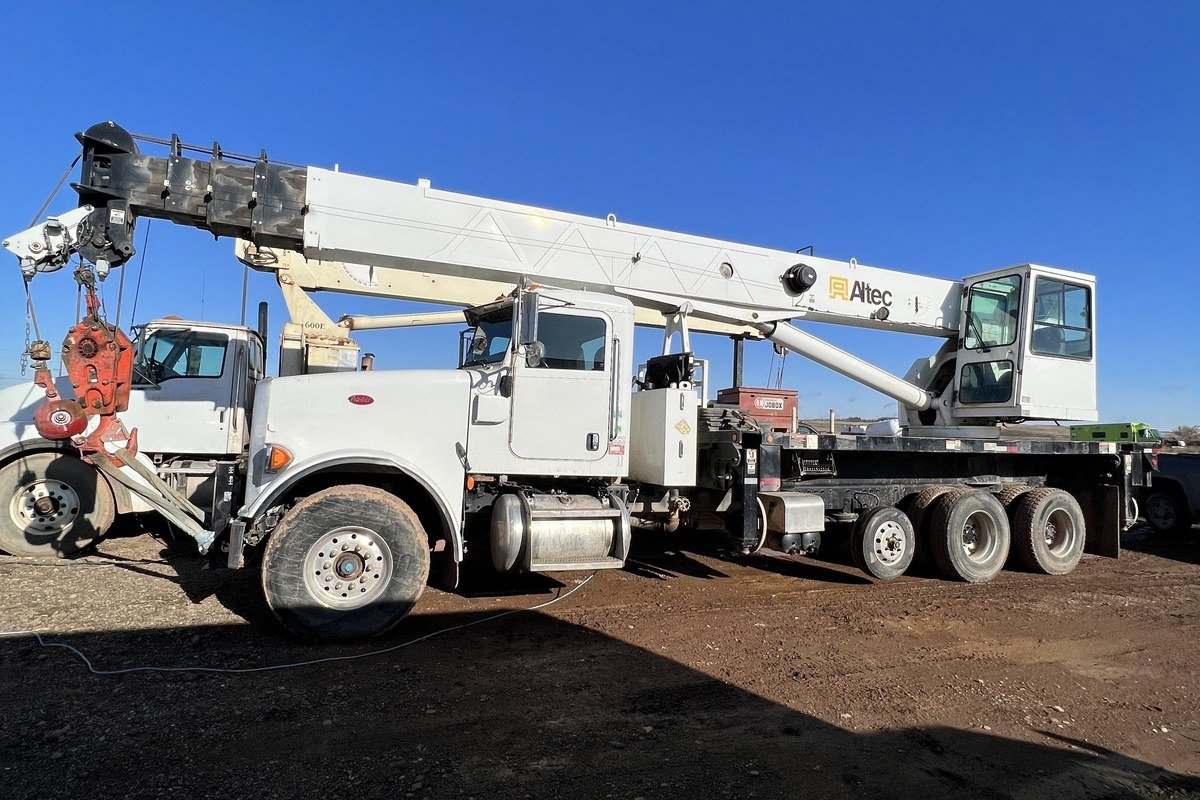
Upstream is not midstream is not downstream, and it shows up in the value. Drilling and completion iron, production equipment, gathering and processing packages, and refining units carry different markets, different buyers, and different obsolescence. Much of it is custom-fabricated — pressure vessels, compressor stations, process trains — with no auction record at all, so the value has to be built, not looked up.
From the drill floor to the refinery gate.
-
Upstream & drilling
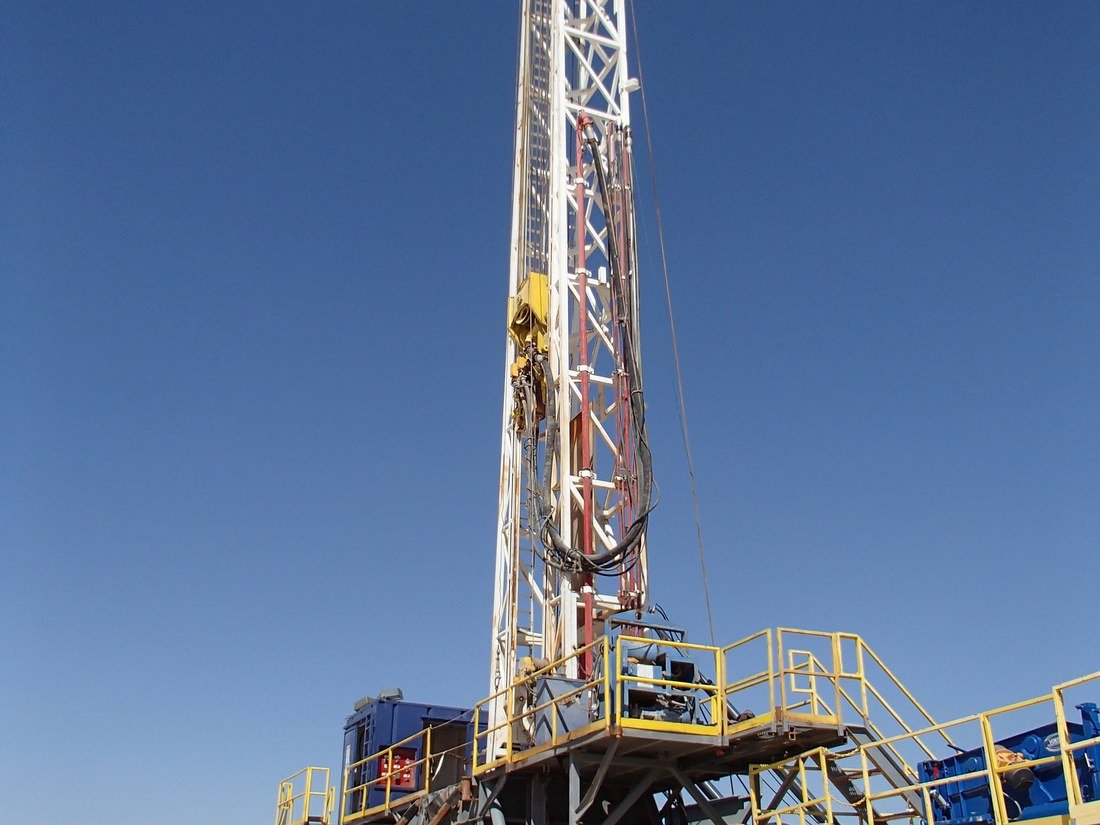
Drilling and workover rigs, drawworks, top drives, mud pumps, BOP stacks, pumping units, wellheads, frac and pressure-pumping spreads, coil tubing and wireline units — the equipment that drills, completes, and produces the well.
-
Production & midstream
Tank batteries and storage tanks, separators and treaters, LACT units, gas compression packages, dehydration and processing skids, pipeline and gathering equipment, pumps, and metering — the iron that moves and conditions the product.
-
Downstream & process
Refining and processing units, heat exchangers, fractionation towers, pressure vessels, process pumps and piping, and plant support systems — the custom-engineered stationary equipment that trades in the thinnest market of all.
The moments the number has to hold.
Oil and gas operators commission appraisals at the same predictable triggers as any heavy-industry operator, but the commodity cycle raises the stakes: financing and refinancing of equipment-secured or reserve-based credit; insurance replacement-cost schedules and post-loss claims; buying or selling equipment or an operation; bankruptcy and workouts, which this sector knows well; and estate, tax, and property-tax matters. Each fixes the value type it needs.
Which standard applies — Fair Market Value, Orderly Liquidation Value, or Forced Liquidation Value — is driven by the purpose, not by preference. If you're not sure which you need, start with the value-type breakdown; if you know the trigger, go straight to the guide for it.
Oil & gas equipment appraisals — straight answers.
-
Does oil and gas equipment need a specialist?
Yes. Values track the commodity cycle, idle equipment discounts hard, and much of the iron — compressor packages, pressure vessels, process trains — is custom-fabricated with no clean auction record. A generalist working from a depreciation table misses both the cycle and the market position, producing a number that fails under a lender's review or a court's scrutiny.
-
What oil and gas equipment do you appraise?
Upstream and drilling — rigs, drawworks, top drives, mud pumps, BOP stacks, pumping units, wellheads, frac and pressure-pumping spreads, coil tubing and wireline. Production and midstream — tank batteries, separators, treaters, LACT units, gas compression, processing skids, pipeline and gathering equipment. And downstream process — refining units, heat exchangers, towers, pressure vessels, and process pumps and piping.
-
How does the price cycle affect value?
Directly. When prices are high, rigs and production equipment are in demand and command strong values; when prices fall, equipment stacks, the buyer pool thins, and idle iron discounts sharply. The effective date of the appraisal and the state of the market on that date drive the number, which is why a current, credentialed appraisal matters more in this sector than in most.
-
Can you value custom process equipment with no comps?
Yes — that's where a specialist earns the engagement. When there's no clean comparable sale, the value is built from the cost approach, engineering and remaining-life analysis, and the specialized market data a generalist doesn't have. The result is a documented, defensible number for the compressor station, pressure vessel, or process train rather than a guess.
-
What value type do oil and gas lenders require?
Most equipment-secured oil and gas lending uses Fair Market Value and Orderly Liquidation Value, with OLV serving as the controlled-disposition floor; some lenders also want Forced Liquidation Value as a worst-case number, which matters more in this sector because a down cycle can force sales. The lender specifies it, and the spread between standards can be wide on specialized iron.
-
Upstream, midstream, and downstream?
All three. Each segment carries a different market, different buyers, and different obsolescence, and the value reflects it. Drilling and completion iron, production and midstream packages, and downstream process units are valued on their own terms rather than run through one blanket curve.
Get an oil & gas equipment number that holds.
Fifteen minutes to scope it — the equipment, the basin and segment, and why you need the appraisal. You get a field-verified, USPAP-compliant valuation from an appraiser who prices the iron to the cycle, not the sticker.
USPAP-compliant · MCMEA-credentialed · Upstream · Midstream · Downstream