
Some restaurants cost money to close.
A tenant-installed hood can cost thirty to fifty thousand dollars and bring fifteen hundred to twenty-five hundred on the market, and someone still has to patch the hole in the roof. Walk-ins come apart into insulated panels. Sold with the space to the next operator, the same kitchen is worth real money. The lender decides which of those two kitchens it is holding long before anyone hires a rigger.
A restaurant equipment appraisal states what the kitchen is worth under the premise its purpose calls for. For a lender in a workout, that means two figures side by side: the kitchen sold in place with the space as a working kitchen, and the same equipment pulled out and sold as parts after removal. On a tenant-installed hood, the second figure can come in below the cost of pulling it and patching the roof. The spread between the two decides whether the lender recovers or takes a loss.
BAZZLE appraises restaurant and food-service equipment across the country, from single-location independents and franchise units to multi-site groups and catering kitchens, onsite or by live video. Restaurant engagements are led by Amanda Bazzle, CMEA, Certified Machinery & Equipment Appraiser, and developed under USPAP for the lender or buyer who will rely on them.
What a bank workout group finds when it opens the door.
Most of our restaurant work comes through bank workout groups. They send us in to see what is actually left: the seating, the back kitchen, the refrigeration, and the branded smallwares. Logoed plates, custom glassware and engraved silverware cost the owner a premium, and the market treats them as close to worthless the moment the logo goes on.
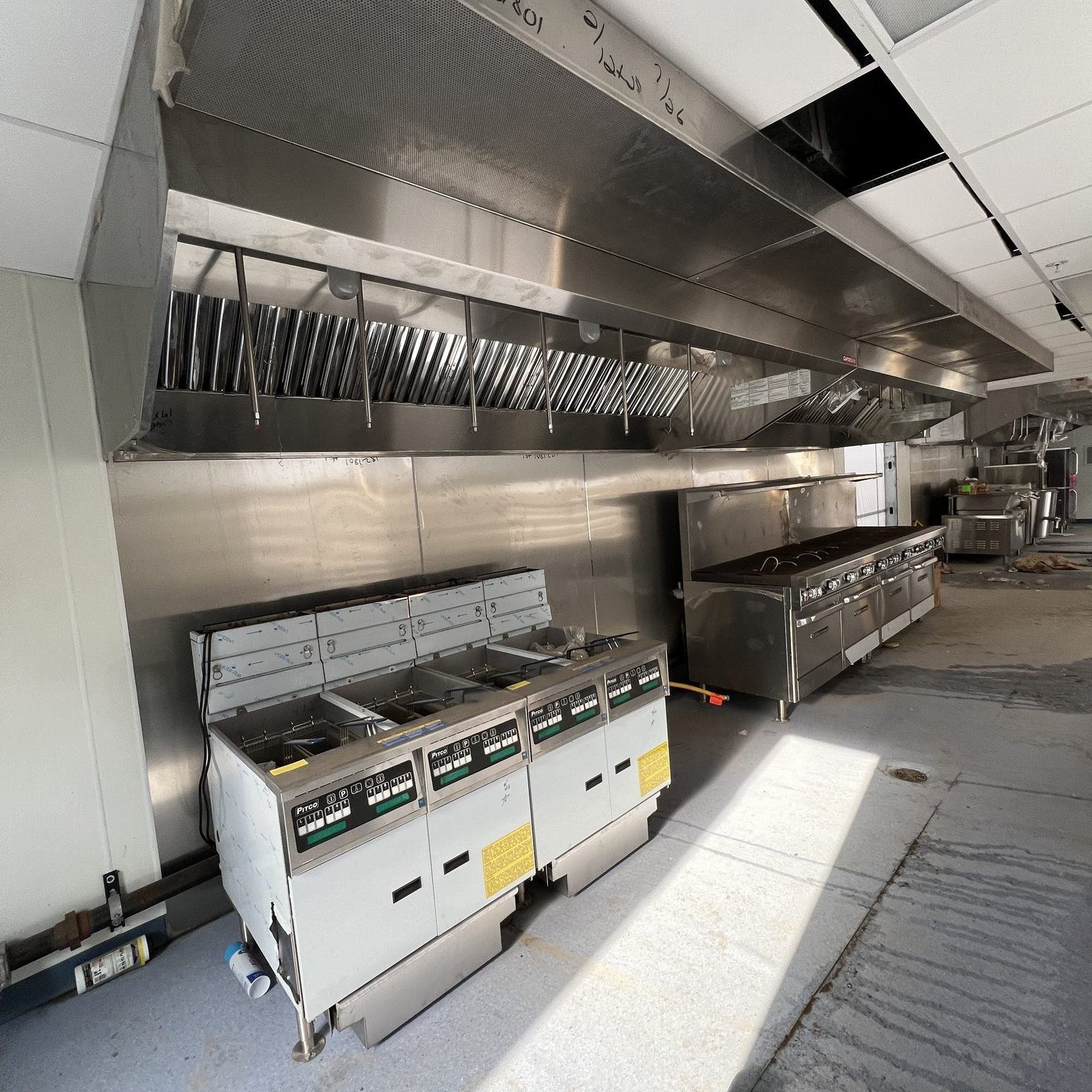
Hood systems are where it turns. We have seen restaurants pay thirty to fifty thousand dollars for one. Unless it was bought installed as part of the space, it is the tenant's to remove, and on the market it brings fifteen hundred to twenty-five hundred dollars. Someone then has to patch the hole in the roof.
Walk-ins run the same direction. They come apart, but they are tied into building power and a chiller mounted somewhere in the structure. Disassembled, they are panels of insulated metal with little value as parts. Reassembled by the next operator, they are worth something again.
That is why banks want one check for the whole space. Sell it as it sits to somebody opening a different restaurant there, and the equipment is valued as a working kitchen instead of as parts. The appraisal puts both figures side by side with the removal costs counted, so the workout officer chooses between a going-concern sale and a parts liquidation with both numbers in hand.
None of this shows up on the build-out invoices. What a kitchen cost to build says little about what it brings once the lease ends. The equipment that holds value is the standard, movable, well-kept iron: reach-ins, ranges, fryers, ice machines, a dish machine the next operator can plug in. The equipment that doesn't is whatever was built for this room and this brand.
The line, the cold side, and everything the guest sees.
-
Cooking line & ventilation
Ranges, charbroilers, griddles, fryers, combi and convection ovens, deck and conveyor pizza ovens, salamanders, steam kettles and tilt skillets, plus the Type I and Type II hoods, wet-chemical fire suppression and make-up air units above them, which decide more of the outcome than most owners expect.
-
Refrigeration & warewashing
Walk-in coolers and freezers with their remote condensing units, reach-ins, prep and sandwich tables, under-counter and blast chillers, ice machines, and the warewashing side: door-type and conveyor dish machines, booster heaters, three-compartment sinks and grease interceptors.
-
Dining room, bar & front of house
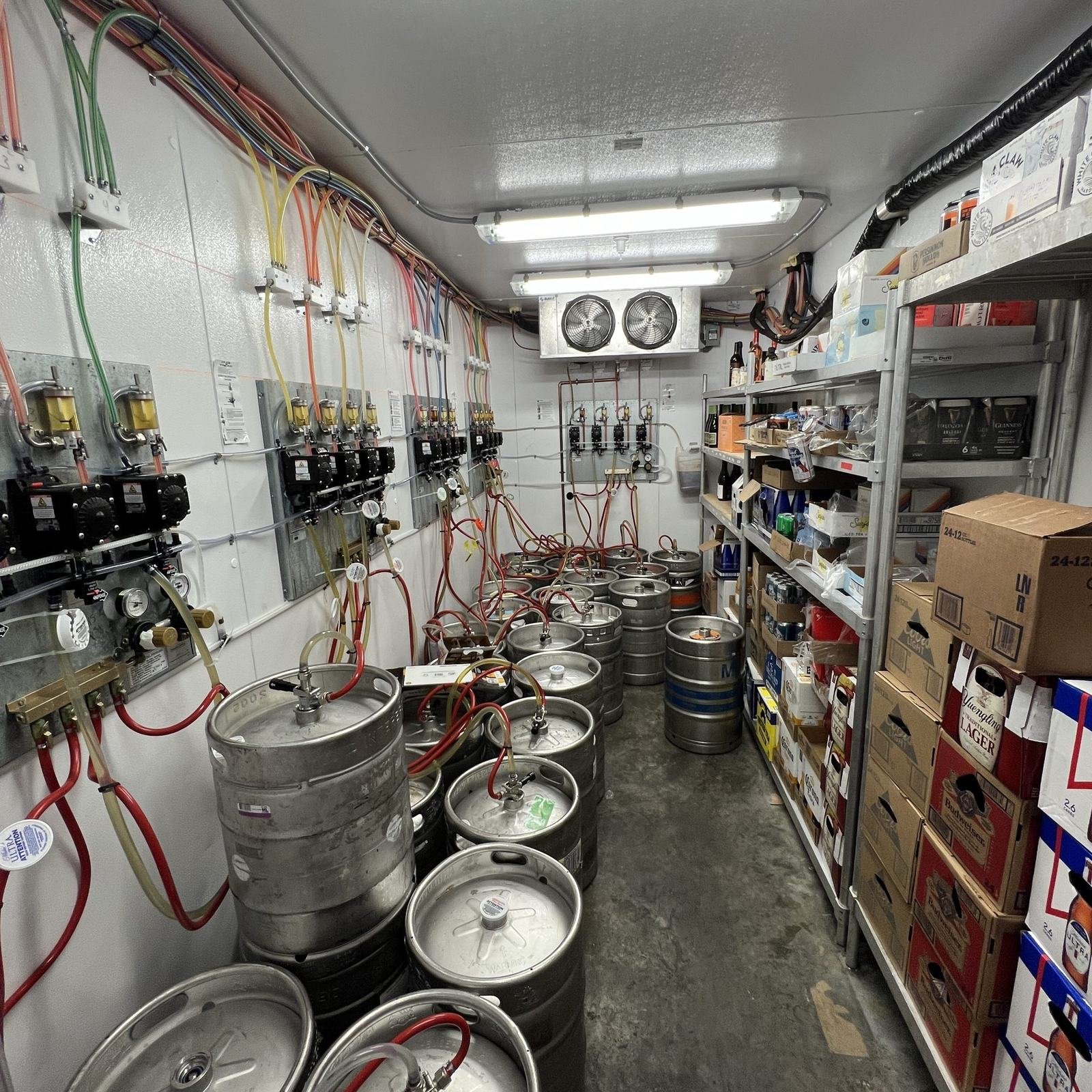
Booths, tables and seating, bar dies and back-bar coolers, draft and beverage systems, espresso and coffee equipment, point-of-sale hardware, signage, décor, and smallwares, including the branded plates, glassware and flatware that cost the most to buy and bring the least to sell.
Workouts, SBA loans, franchise resales and partner splits.
A bank workout or default is the most common. The lender has to choose between selling the space as a working kitchen and liquidating the parts, and the wrong choice turns a recovery into a loss. SBA and conventional loans to buy or build out a restaurant put the equipment in the collateral, and a loan sized to what the kitchen cost to build is secured by equipment worth far less as parts. In the sale of an independent or a franchise unit, buyer and seller need the same starting number, or the branded smallwares and built-ins get argued at cost. A lease termination settles what stays, what goes and who pays to pull the hood and patch the roof. In partner buyouts and divorces, one side can end up paying the other for build-out that will never come back as cash.
The purpose sets the standard. A sale to the next operator points toward Fair Market Value in place. A lender planning for the worst asks for Orderly or Forced Liquidation Value, and on a kitchen those can sit far below the in-place figure once removal is counted. The report states the standard, the premise and the costs to cure or remove.
Restaurant equipment appraisals, plainly answered.
-
Can a closed restaurant be worth less than zero?
Parts of it can. A hood system the tenant must remove can bring less on the market than it costs to pull and to patch the roof behind it. Walk-ins and built-in fixtures can land in the same place. The appraisal counts those costs before the lender finds them on an invoice.
-
Why sell the space as a working kitchen?
Because the next operator can use the hood, the walk-in and the line where they stand. Sold with the space, the equipment is valued in place. Pulled out and sold as parts, much of it falls to scrap or near it. The gap is often the difference between a recovery and a loss.
-
Is the hood equipment or part of the building?
How it was bought and what the lease says decide it. A hood bought installed as part of the space stays with the building. One the tenant installed is the tenant's to remove unless the lease says otherwise, and that one fact moves it from a modest value to a cost.
-
What restaurant equipment do you appraise?
The cooking line and its hoods, fire suppression and make-up air; walk-ins, reach-ins, prep tables, ice machines and dish machines; and the front of house, including seating, bar and draft systems, coffee equipment, point of sale, signage and smallwares.
-
Are branded plates and glassware worth anything?
Very little. Logoed plates, custom glassware and engraved flatware cost a premium to buy, and the only buyer who wants them is the brand itself. Plain commercial smallwares resell; branded ones usually don't.
-
What does a bank workout group need?
Two numbers and a count. What the kitchen is worth sold with the space to the next operator, what it brings as parts after removal costs, and a list of what is actually there, including what belongs to the landlord and what was leased.
Working kitchen, or parts?
Tell us how many locations, what the lease says about the hood, and who will read the report, and we will scope the engagement from there.
USPAP-compliant · CMEA-credentialed · Working kitchen or parts · Hoods · Walk-ins