
Price a recycling yard by the ton and the seller gives away what he built.
A recycling yard takes in iron other companies wrote off and puts some of it back to work. The profit is the gap between melt and market. Price every unit as a finished machine and the error runs the other way: the buyer pays for rebuild work nobody has done.
Every unit in a recycling yard has a melt price, and that is the floor. A finished rebuild is worth what working used equipment of its type sells for. A unit partway through a rebuild is graded on its condition and the work left to finish it. Trucks and roll-offs price off a deep used market. The installed processing line prices off throughput, commodity prices and whether the permit and contracts go with the sale. The appraisal values each piece on its own basis, then totals the yard.
BAZZLE appraises recycling, scrap and waste operations nationwide, from scrap yards and material recovery facilities to transfer stations and collection haulers. The work is USPAP compliant and carries the MCMEA, held by fewer than 30 appraisers in the United States. That is the standard and the signature a lender's credit file or a buyer's diligence team can point to when someone asks where the number came from.
Cranes the Rust Belt wrote off as scrap, and a yard that put them back to work.
An Ohio recycling center going through a buy-sell brought me in. They were taking in defunct cranes, forklifts and equipment from companies across the Rust Belt, and every one of those companies intended it all as scrap.
Instead of shredding it, the yard was parting and piecing machines back together, either putting them into its own use or reselling them as working equipment. The profit lived in the difference between melt price and market price.
So the valuation couldn't treat any of it as scrap. The finished rebuilds held market value. The half-finished ones sat in fair or poor condition rather than at the floor. Where each unit landed on that spectrum was what the buyer was actually purchasing.
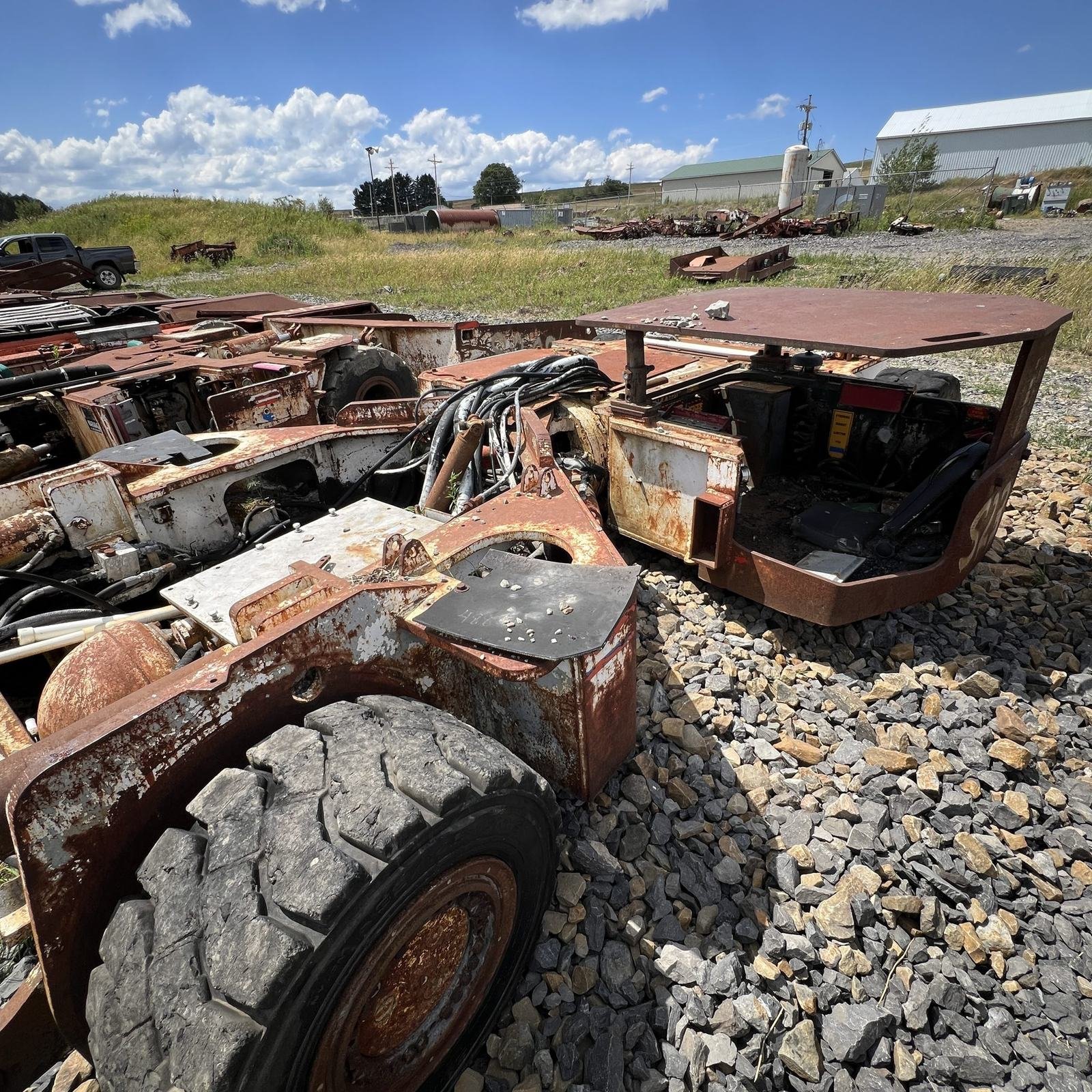
An appraiser who prices that yard by the ton gives the buyer the whole rebuild margin for free. One who prices every unit as a finished machine makes the opposite mistake. Both errors sit in the half-finished units, and the only way I know to settle them is to walk each one and grade it.
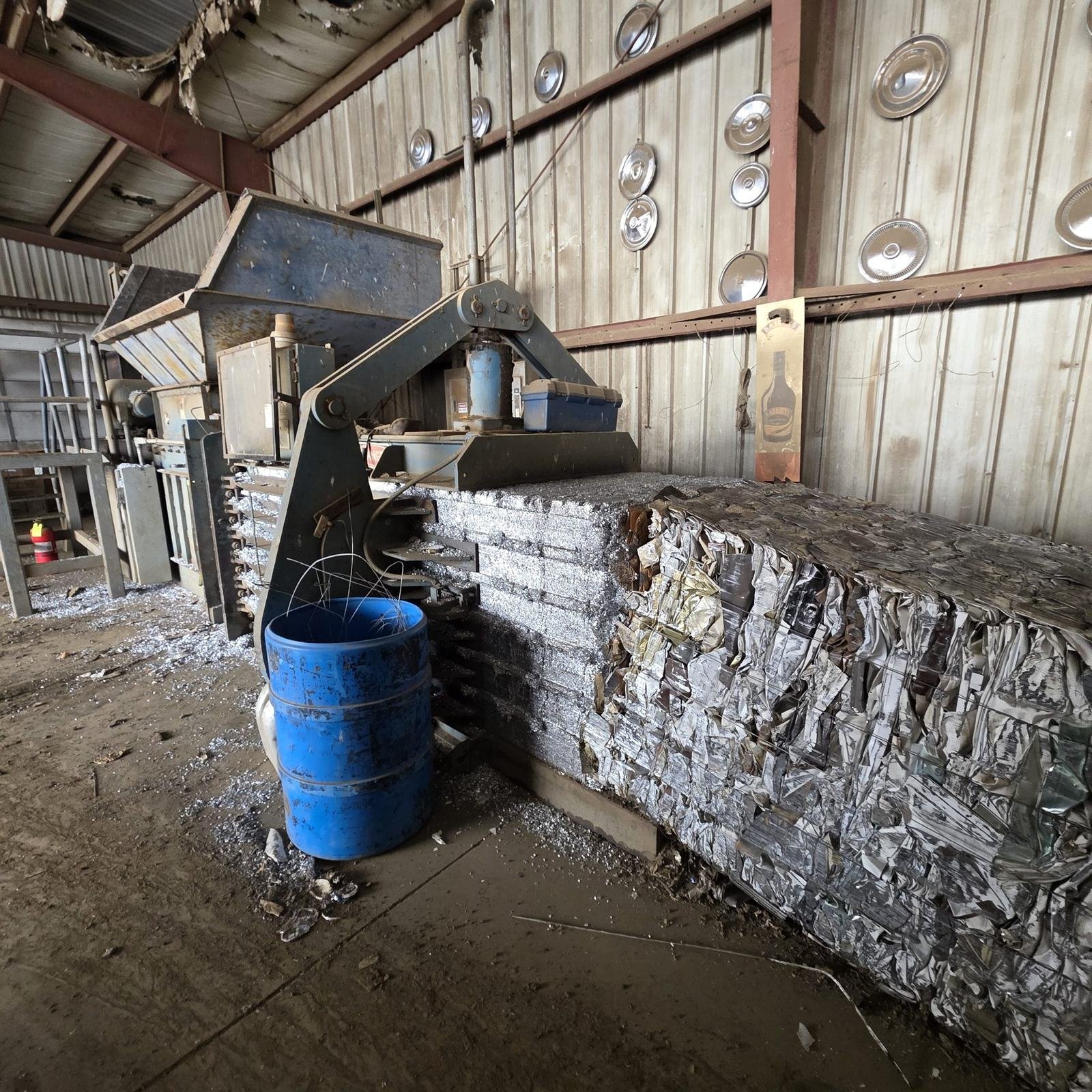
The rest of a recycling operation splits along a similar line. Collection trucks, roll-offs and material handlers trade in a deep national used market and carry clean comparables. The stationary processing line (balers, shredders, sortation equipment) is built into the building and tied to the permit and the commodity cycle. Its value tracks throughput and the price of what it bales more than the year it was built. If the permit or the contracts don't convey with the sale, the line reprices toward removal cost and steel.
The yard, the line, and the trucks that feed them.
-
Scrap yard & material handling
Material handlers and scrap cranes with grapples and magnets, wheel loaders, excavators, forklifts and telehandlers; shears, car crushers and logger-balers; auto and scrap-metal shredder lines with downstream nonferrous recovery; in-ground truck scales and scale houses; and the rebuild inventory working its way back to market.
-
Sortation & processing lines
Infeed conveyors and metering drums, trommels and disc screens, optical sorters, overhead and drum magnets, eddy-current separators, air classifiers, picking stations, two-ram and single-ram balers, grinders, granulators and compactors, plus construction-and-demolition, glass, tire and electronics processing.
-
Collection, transfer & landfill
Automated side-loaders, front- and rear-loaders, roll-off trucks and hoists, grapple trucks, transfer and walking-floor trailers, containers and carts, tipping-floor equipment, and landfill compactors, dozers and articulated trucks.
Buy-sells, roll-ups, credit lines and claims.
The sector is consolidating, and the calls follow the deals. In a buy-sell or roll-up acquisition, buyer and seller need the same grading of the rebuild inventory, or they end up negotiating over two different yards. Equipment-secured lenders need to know which trucks and which parts of the line hold value if the loan goes bad. Insurance schedules need to be current before a fire, because the claim gets argued from whatever list existed the day before. Municipal contract and host-agreement transfers decide whether the installed line keeps its in-place value. Bankruptcy, receivership and workouts put the rebuild inventory in front of a trustee or receiver, where a unit nobody graded gets treated as scrap.
In a sale, trucks and finished rebuilds carry a Fair Market Value near what they bring on the used market. A lender reads Orderly Liquidation Value, where scrap becomes a real floor for the line and for the unfinished work. The purpose of the assignment sets the standard, and the report shows where scrap price stopped being the answer.
What recycling yard owners, buyers and lenders ask.
-
Is everything in a scrap yard valued at scrap?
No. Melt price is the floor. Rebuilt units sell at market, and units partway through a rebuild are graded on condition and the work left to finish them, above the floor. That spread is the yard's business, so I grade each one on its own.
-
How is rebuild inventory valued?
By where it sits between melt and market. A complete, operating rebuild is priced against working used equipment; a unit stripped for parts or half reassembled is valued on its condition and what it would take to finish, never simply at weight.
-
Why are trucks and the line valued differently?
Trucks and material handlers trade in a deep used market with clean comparables. The processing line is built into the building, tied to permits and commodity prices, and has a thin resale market once removed.
-
What recycling equipment do you appraise?
Material handlers, scrap cranes, shears, shredders and balers; sortation lines with screens, optical sorters, magnets and eddy-current separators; collection trucks, roll-offs and transfer trailers; scales; and landfill compactors and earthmoving equipment.
-
Does a permit affect equipment value?
Yes, for the processing line. A line installed under a permit and fed by contracts is worth its in-place value to a buyer who keeps both. If either stays behind, the line is worth what it brings removed: dismantling cost against steel and a thin resale market.
-
Which value fits a buy-sell?
Fair Market Value. A buy-sell is a willing buyer and a willing seller, which is what that standard measures, with each rebuild graded on its own. A lender financing the purchase will also want Orderly Liquidation Value, where scrap becomes the real floor for unfinished work.
Which units in your yard are still scrap?
Send the sites, the truck count and what runs on the line, and I'll scope the walk.
USPAP-compliant · MCMEA-credentialed · Scrap & rebuild · Processing lines · Collection