
The same corrugator is worth two numbers. Which one depends on who's buying.
Corrugated lines run on margins thin enough that the machinery gets repaired constantly, because replacing it is out of reach. That repair load says more about the plant's margin than about the machine. The lines rarely get pulled out and resold; they go with the plant, so what one is worth depends heavily on who would buy the plant, and why.
On corrugated and converting equipment, the realistic buyer sets the number as much as the machine does. A corrugator is built in place and rarely sold on its own, so the appraisal starts with who would buy the line and then measures condition against that market. Finishing and converting equipment is more portable and has a working used market to price against.
BAZZLE appraises paper and converting equipment nationwide: corrugated sheet and box plants, folding-carton and flexible-packaging converters, and the mills upstream of them. The work is USPAP compliant and carries the MCMEA, held by fewer than 30 appraisers in the United States.
Machines kept alive on a knife's edge.
Across several cardboard and corrugated engagements, the same pattern held. Margins are thin enough that the machinery gets run on a knife's edge. It is maintained constantly, and the reason is that replacing it isn't affordable. That constant maintenance is a symptom. It tells you about the economics of the plant before it tells you anything about the condition of the iron.
There is almost no resale structure. These lines change hands as going concerns, so value depends heavily on who is buying and why. A dedicated box producer is weighing cheaper imported equipment that won't last against older machines being kept alive. A larger manufacturer making boxes for its own product line treats the same equipment as one piece of a whole, and it doesn't have to carry itself.
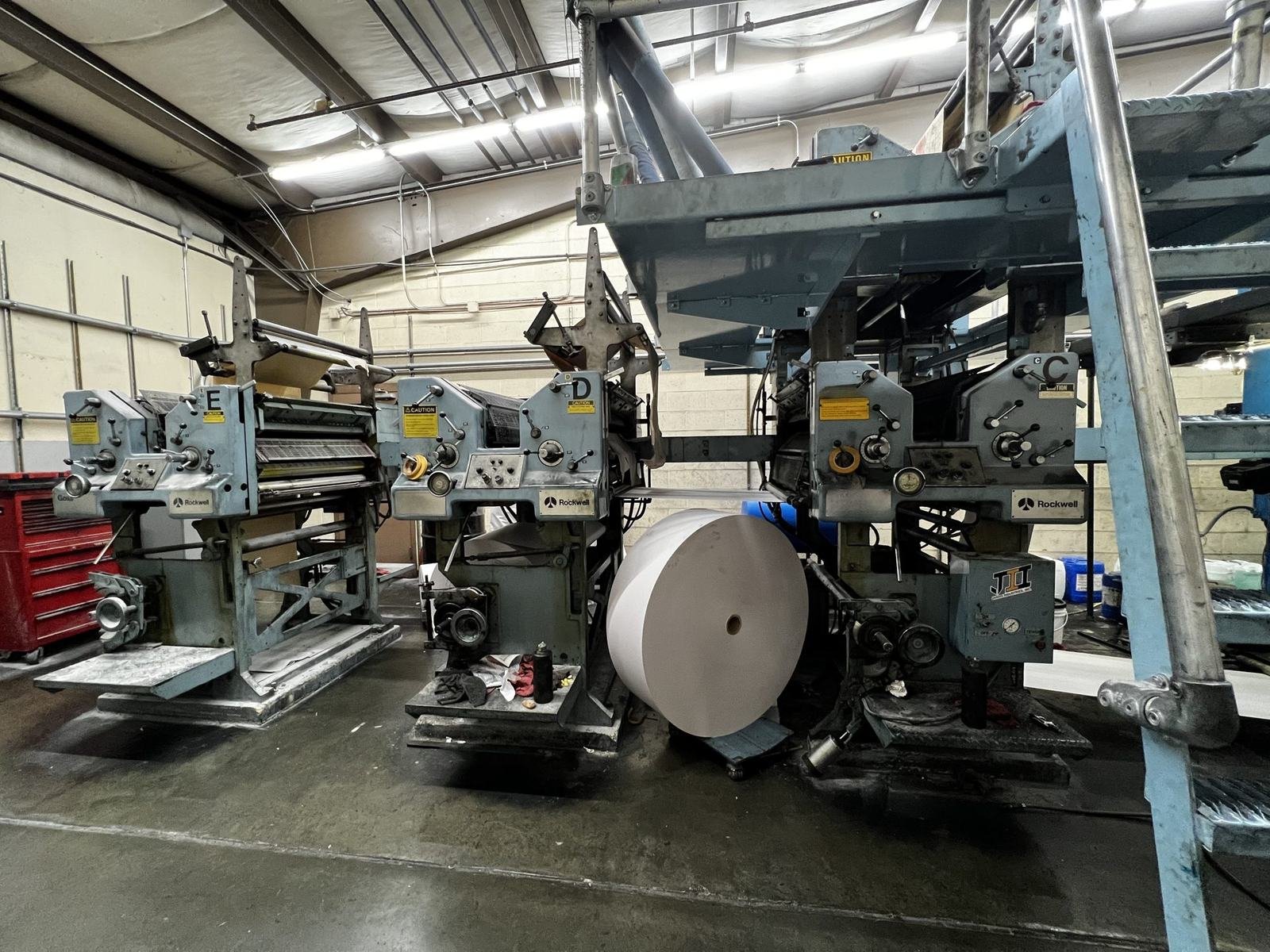
So one line can carry two defensible values, and the market it would actually sell into decides which one applies. An appraisal that prices a corrugator off a dealer listing, as if a dozen buyers were waiting to truck it away, describes a market most box plants never see, and it holds only until a lender or a buyer checks it.
Paper machines upstream answer to the grade they run. Width, drying capacity and speed fix what a machine can make, and the market for that grade sets its future more than its condition does. Machines on declining graphic grades get rebuilt to packaging or sold for relocation; machines already on containerboard and tissue hold their place. Downstream, the printers, slitters and die cutters are more portable and trade in a working used market.
From the parent roll to the finished box.
-
Corrugating & box-plant finishing
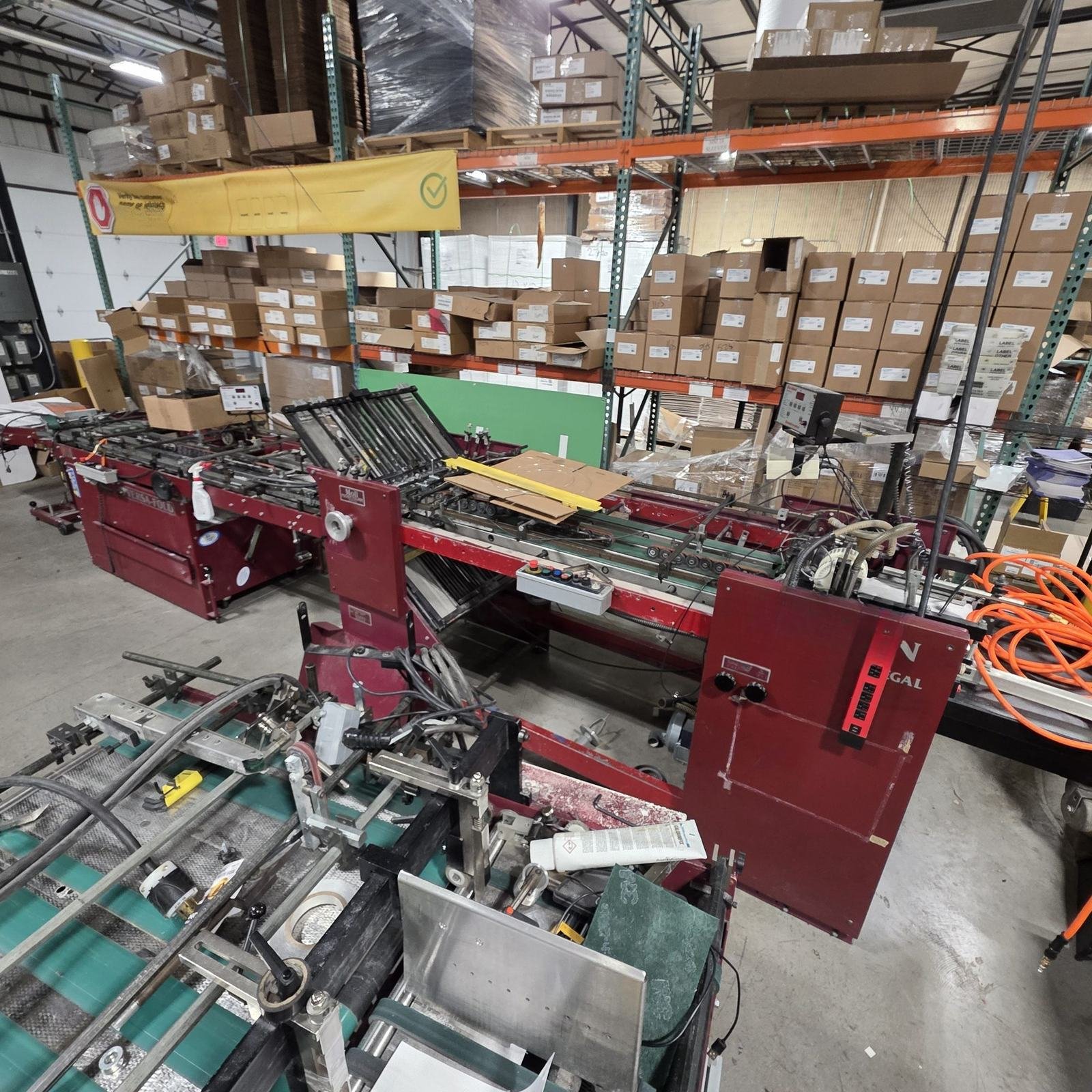
Corrugators with single-facers, glue machines and double-backers; slitter-scorers and cutoff knives; flexo folder-gluers, rotary and flatbed die cutters, printer-slotters, specialty folder-gluers, stitchers and case formers; and the bundling, strapping and palletizing at the end of the line.
-
Printing, converting & roll handling
Flexographic and rotogravure presses, laminators, slitter-rewinders and sheeters for flexible packaging and label; folding-carton die cutters and folder-gluers; roll clamps and roll trucks, broke and trim systems, balers and waste handling.
-
Paper & board machines
Stock preparation, pulpers, refiners and deinking; Fourdrinier and twin-wire formers, press and dryer sections, Yankee dryers on tissue machines, size presses, coaters and calenders; reels, winders and rewinders, along with the boilers and utilities that run the mill.
Succession, a sale, a refinance, or the rebuild the margin won't cover.
Many of these plants are family-held and decades old, so the appraisal often arrives with a succession or ownership transfer, where the number has to hold up with family on both sides of it. A sale to a strategic buyer or an integrated manufacturer turns on which of those buyers the line is priced for. Financing and refinancing run on liquidation value, a different and usually lower number. A rebuild-or-replace decision on a corrugator or a paper machine weighs the rebuilt line's value against what a new one costs. Insurance schedules and claims after a fire or a major failure ask what it costs to put the line back, which is a different question from what it would sell for. Idling, bankruptcy and workout shrink the market to whoever will pay to dismantle and move the equipment.
Fair Market Value, Orderly Liquidation Value and Forced Liquidation Value can land far apart on equipment with little resale structure. The assignment's purpose sets which standard applies, and the report states the buyer it assumed, so a lender, a buyer or a family member can see where the number came from.
Paper and converting appraisals, asked and answered.
-
Why does the buyer change the value?
Because a corrugated line rarely sells on its own; it goes with the plant to a small set of buyers. A box producer and a manufacturer making its own boxes put different numbers on the same line, so the appraisal names which buyer it assumes.
-
Does constant maintenance raise the value?
Not by itself. On thin-margin box lines, constant maintenance often means replacement isn't affordable. The appraisal looks at the actual condition and remaining life of the components, and treats the maintenance load as information about the plant's economics.
-
Is there a used market for corrugators?
A thin one. Corrugators are large, built in place and costly to move, and most change hands with the plant. Finishing equipment such as folder-gluers and die cutters is more portable and trades more actively.
-
How is a paper machine valued?
Against the grade it is built to run and the market for that grade. Width, drying capacity and speed decide whether the machine can be rebuilt to a stronger grade, and that option is often worth more than its condition on inspection day.
-
What converting equipment do you appraise?
Corrugators, slitter-scorers, flexo folder-gluers, die cutters and printer-slotters; flexo and gravure presses, laminators, slitter-rewinders and sheeters; roll handling and balers; and paper machines from stock prep through winders.
-
What value does a lender need?
Usually Orderly Liquidation Value, with Forced Liquidation Value as the downside. On equipment without much resale structure, both can sit well below a going-concern Fair Market Value, so the report explains the gap.
Who would actually buy this line?
Tell us the lines, what the plant makes and what the number is for.
USPAP-compliant · MCMEA-credentialed · Corrugated · Converting · Paper machines