
Nearly every machine shop has a hundred thousand dollar cabinet. Unlisted, it sells for five dollars.
A vertical machining center has a market and a model number. The cutting heads, holders and gauges feeding it usually have neither, because nobody ever had to decide whether they were consumables, capital or part of the machine. So they sit outside the number a lender or buyer is reading, until a shutdown boxes them for auction.
"There's six figures in those drawers and my banker doesn't know it." Nobody was careless. Tooling never had to be classified, so it was expensed and never reached the fixed-asset register, or bundled with a machine and lost in that machine's line. Either way, it sits outside the schedule.
BAZZLE appraises machine shops and fabrication operations nationwide, from small job shops to production plants. The appraisal is USPAP compliant and signed by an MCMEA, a credential held by fewer than 30 appraisers in the United States, so the lender or buyer reading it has a named standard behind every line, tooling included.
The machines are the easy part.
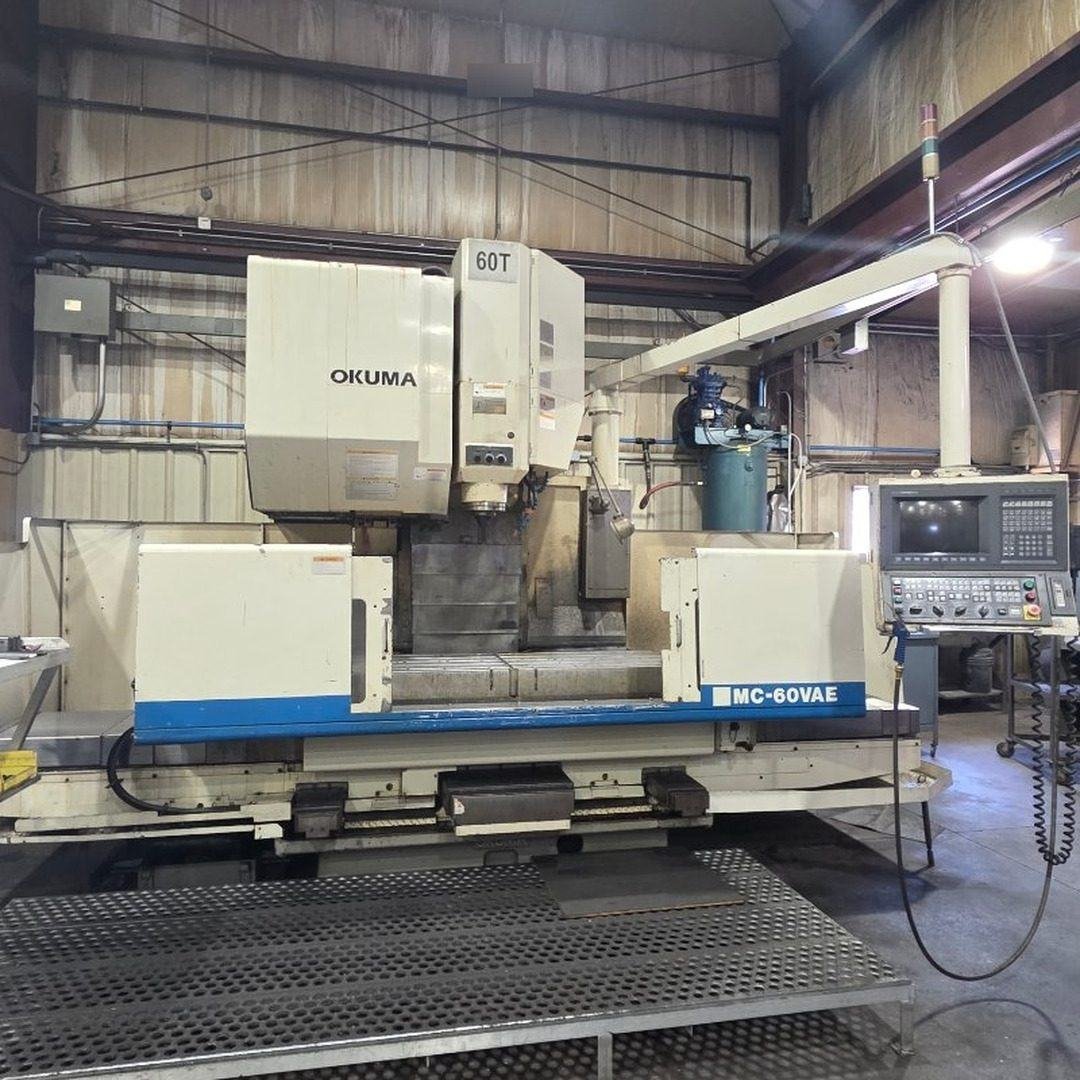
Walk into a machine shop and the CNC machines are the easy part. There is a visible market for them now. That wasn't true fifteen years ago, when mills and lathes traded through forums and back channels, but today a vertical machining center can be found and priced.
What gets missed is everything feeding it. That thirty-two station tool changer is full of cutting heads, and almost every shop has what I call the hundred thousand dollar cabinet: diamond cutting heads, high-end bits, CNC attachments, meters and measuring equipment. On the books it is often nowhere, because nobody settled whether it is a consumable expense, a capital asset or something that goes with the machine when the machine goes.
Some smaller shops have gone to vending machines for tooling. An operator pulls the bit he needs, it logs and charges against him, and the stock sits there on demand. Whose inventory is that?
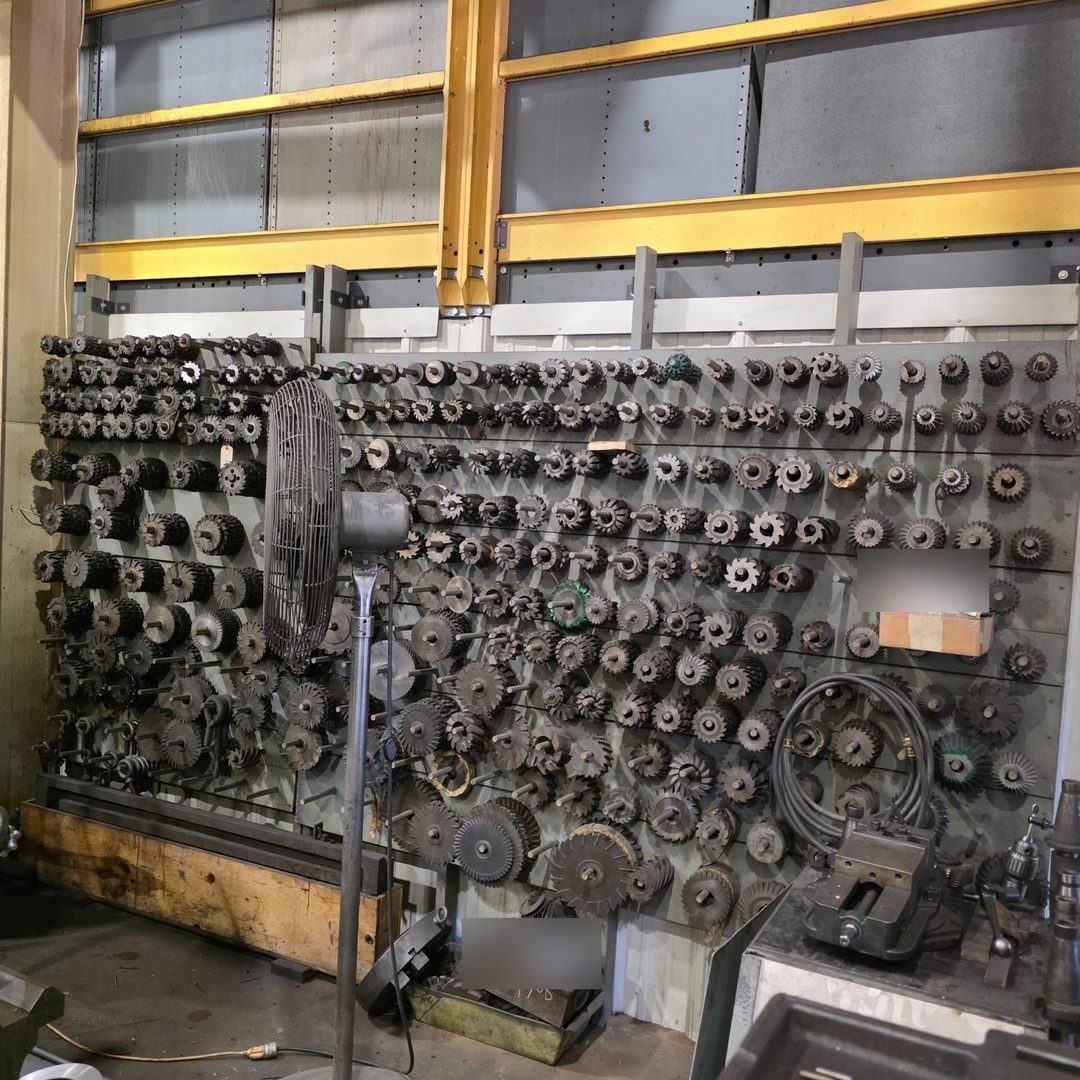
Does the tooling belong in the collateral pool? I ask that before the number is written. Left unanswered, the cabinet goes to auction in a box.
Condition works the same way, and the floor tells it. I appraised an axle shop selling off older machines to make room for new ones, where nobody was pretending to keep it clean anymore: a quarter inch of oil across twenty-five thousand square feet. No buyer reads a maintenance log. He reads the environment. Equipment standing in that gets discounted on condition and on how the market reacts to what it sees, whether or not any single machine was neglected. We applied that as physical depreciation, with economic obsolescence secondary, because the seller's expectation was built on what the equipment was and not on what a buyer standing in that building would pay.
The machines everyone lists, and the drawers nobody opens.
-
Metal cutting & CNC machining
Three-, four- and five-axis vertical and horizontal machining centers, CNC and manual lathes, multi-axis mill-turn, Swiss-type screw machines, horizontal and vertical boring mills, surface, cylindrical, centerless and jig grinders, wire and sinker EDM, gear hobbers and broaches.
-
Fabrication, forming & cutting
Fiber lasers, plasma and waterjet tables, CNC press brakes, shears, turret punches, stamping presses, ironworkers, plate and angle rolls, tube and pipe benders, notchers, and band and cold saws.
-
Tooling, metrology & plant support
Cutting heads, inserts, holders, collets, chucks, tombstones and fixtures; tooling vending systems; CMMs, height gauges, micrometers and inspection equipment; MIG, TIG and robotic welding cells; blast and paint; bridge and jib cranes, compressors and forklifts.
Usually the day someone else is doing the counting.
The tooling question surfaces at the worst moment. In a refinance, the lender's advance rate rides on liquidation value. In a sale, succession or SBA-financed acquisition, the buyer walks the floor with his own list. In a shutdown or workout, whoever shows up first boxes the cabinet. After an insurance loss, the adjuster asks for proof of what was in it.
Machine tools sell at auction often enough to measure the gap between Fair Market Value, Orderly Liquidation Value and Forced Liquidation Value, and on machine tools that gap is wide. The engagement's purpose decides which one governs, and the report shows all three.
What shop owners and their lenders ask.
-
Is tooling included in the appraisal?
Yes. The floor walk includes the drawers. The appraisal identifies and counts the tooling, states whether it is treated as a capital asset or part of the machine, and whether it belongs in the collateral pool.
-
Who owns tooling in a vending machine?
It depends on the supply agreement. In many programs the distributor owns the stock until it is pulled and charged, so it may not be the shop's to pledge or sell. I check the agreement before it goes on a schedule.
-
Does a dirty shop lower the value?
Yes. No buyer reads a maintenance log. He reads the floor. Oil across the whole shop discounts every machine standing in it; I apply that as physical depreciation from condition, with economic obsolescence secondary.
-
What machine shop equipment do you appraise?
CNC machining centers, lathes, mill-turns, Swiss machines, boring mills, grinders and EDM; lasers, plasma, waterjet, press brakes, shears, punches and rolls; welding cells, CMMs and metrology; cranes, compressors and forklifts; and the tooling and work-holding that feed them.
-
Do older manual machines have value?
Some, but the market has split. Late-model CNC and multi-axis machines hold real value, while many manual machines trade near scrap plus rigging. Control generation and support status often matter more than the year on the nameplate.
-
Which value will my lender use?
Most equipment lenders advance against Orderly Liquidation Value and keep Forced Liquidation Value in the file. A buyer and seller negotiate around Fair Market Value. On machine tools those three can sit far apart, so the report states each one and the reason for the gap.
Which shop gets the five-dollar box, and which one gets the hundred thousand?
Send the machine list and what the number is for. The floor walk includes the drawers.
USPAP-compliant · MCMEA-credentialed · CNC · Fabrication · Tooling counted