
The winery had no bottling line. It had an airplane.
A Napa winery recollateralizing its loan blended wine for growers who bottle under their own labels, so its cellar was rows of tanks and agitators. The business also farmed its own grapes and had a party center, outbuildings and an airplane for calling on distributors. An asset left off the schedule doesn't support a dollar of the loan.
A distillery or winery asset list often starts in the cellar, because the person who runs the cellar lists the cellar. Vineyard equipment, tasting-room and event assets, delivery vehicles and aircraft the business owns are collateral too, and whatever the schedule misses supports none of the loan. On the production side, a copper still is valued on its remaining copper life, the wait for a replacement and its scrap floor. Barrels of aging spirit are inventory and stay out of the equipment number.
BAZZLE appraises distilleries, wineries and custom crush and blending operations nationwide. The work is USPAP compliant and carries the MCMEA, held by fewer than 30 appraisers in the United States, so the lender's reviewer or the buyer's diligence team is reading a report built to a named standard.
A Napa winery that blended for everyone else.
A Napa Valley winery was recollateralizing its loan, and Amanda and I worked it together. That turned out to be the right way to see it, because neither of us had come across the setup before.
They were a custom blender. Growers bring their grapes in, the wine gets blended and processed there, and it goes back out for the grower to bottle under their own label. Most people picture a winery as vineyard to bottle under one roof, and a good share of Napa's product doesn't work that way at all. For the appraisal, that meant rows of tanks and agitators, the back end of the business rather than a bottling line.
The rest of it was a reminder that equipment is rarely the whole engagement. They farmed their own grapes. They had a party center and outbuildings that existed because of how they meet their customers, and they had an airplane for calling on distributors. All of it counted, and the lender needed every piece of it accounted for. Amanda came away convinced I need to get my pilot's license so we can have a small airplane too.
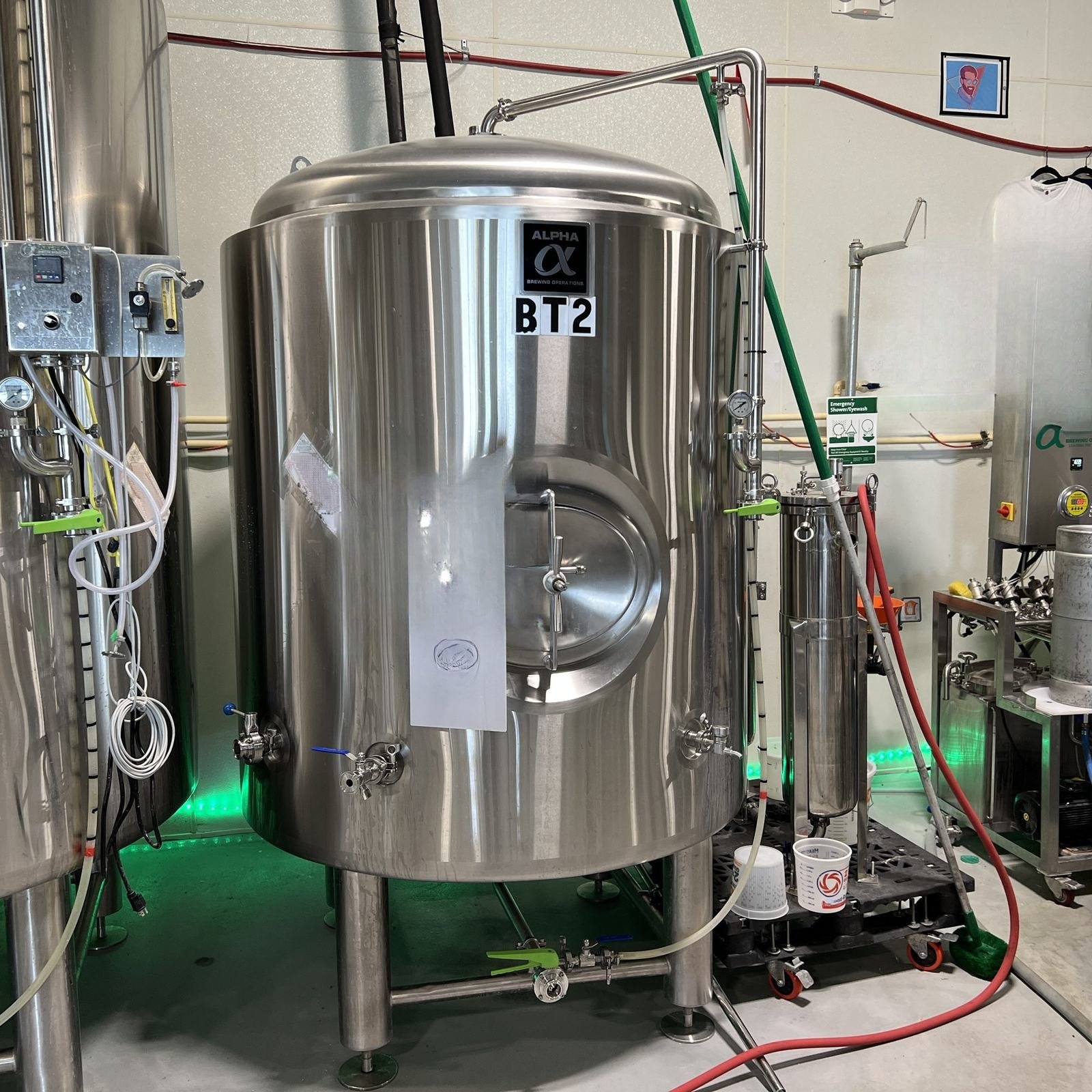
Had the schedule come only from the production floor, the vineyard, the party center, the outbuildings and the airplane would have stayed off it. The loan would have rested on the cellar while the rest of what the business owned sat outside it.
On the distilling side, the still is its own kind of asset. Copper thins with every run, so a still carries a remaining life the way a haul truck carries hours, and the year it was built says little. Custom stills are hand-built to order with long waits for a replacement, which supports their value in place. Underneath all of that sits the weight of the copper, which is the number a scrap buyer will quote. The appraisal states where between those markers a given still falls.
Grain and grape to bottle, plus the property around the cellar.
-
Distilling
Grain mills and handling, cookers and mash tuns, fermenters, copper pot stills, column and hybrid stills, doublers and thumpers, condensers and worm tubs, spirit safes and receivers, proofing and blending tanks, and the boiler and steam plant that drives them.
-
Winemaking & cellar
Crushers and destemmers, presses, sorting tables, stainless and oak fermenters, blending and storage tanks with agitators, pumps and must lines, filtration, glycol chillers and cellar cooling, barrel racks and barrel handling, and bottling, labeling and capping lines.
-
Vineyard, hospitality & transport
Vineyard tractors, sprayers and harvest equipment; tasting room, event and hospitality furnishings and equipment; delivery trucks and vehicles; and aircraft or other assets the operation uses to reach its customers and distributors.
Recollateralizing, succession, sales and claims.
A loan or recollateralization puts every asset in play, and the lender counts only what is on the schedule. In succession, the number decides how the operation passes to the next generation. A sale to a larger spirits or wine group puts the schedule in front of a buyer who will test it. Partner buy-ins and buyouts need one number both sides accept. An insurance claim after fire, smoke or equipment loss turns on what a custom still costs to replace and how long the wait runs. Bankruptcy or workout asks what the equipment brings when it has to sell.
Fair Market Value fits a sale or a succession plan. A lender recollateralizing will want Orderly Liquidation Value as well, and on custom stills and built-in cellars that figure can land well below replacement cost. The report names the standard behind each number.
Distillery and winery appraisals, answered.
-
Are vineyard and event assets included?
Yes, when the business owns and uses them. Vineyard equipment, event and tasting-room assets, vehicles and aircraft are collateral, and they are what a list built from the production floor leaves off.
-
Are barrels of aging spirit equipment?
No. Filled barrels are inventory, and their value can exceed the hard assets. Fold them into the equipment number and a lender's reviewer or a buyer's diligence team has reason to question the whole report. The still, tanks, racks and bottling line are the equipment.
-
How is a copper still valued?
On three markers: how much copper life is left, how long a custom replacement would take to build, and the scrap value of the copper itself. Year of manufacture says little on its own.
-
What is a custom blending winery?
A custom house processes and blends wine for growers who bottle under their own labels, so its value sits in tanks, agitators and cellar systems rather than a bottling line. The appraisal follows the business model the operation actually runs.
-
What distillery and winery equipment do you appraise?
Mills, cookers, mash tuns, fermenters, pot, column and hybrid stills, condensers and receivers; crushers, presses, tanks, agitators, filtration and chillers; barrel handling and bottling lines; and vineyard, hospitality and transport assets.
-
Which value does a lender want?
Usually Orderly Liquidation Value alongside Fair Market Value. On custom stills and built-in cellars the liquidation figure can sit well below replacement cost, so the report explains why.
What's on the property that isn't in the cellar?
Send the list you have, cellar to vineyard, and what the number is for. The scoping call starts with what the list leaves off.
USPAP-compliant · MCMEA-credentialed · Stills · Tanks & cellars · Whole-property walk