
Nothing about the steel changed. The price did.
Before the pandemic, brewery tanks and piping were on long back order and carried a premium. Within about a year, closures flooded the market and the same tanks sat near scrap. A brewery appraisal is only as current as the used-tank market on its effective date.
A brewery appraisal states what the brewhouse, cellar and packaging line would bring on one date, under a named value standard: Fair Market Value for a buyer keeping the brewery running, Orderly Liquidation Value for a lender's collateral. Tank values follow how many breweries are selling at the same time, so the date is part of the number, and a year-old appraisal answers for a year-old market.
BAZZLE appraises brewery equipment across the country, from brewpub systems to regional production breweries with canning lines. The work is USPAP compliant and signed by an MCMEA, a credential held by fewer than 30 appraisers in the United States: a standard and a signature a credit committee can point to.
The same tanks, one year apart.
I worked multiple microbrewery shutdowns through COVID. Going in, tanks and piping were on long back order, and a brewery that already had them carried a premium for it. Nobody could buy time off a fabricator's schedule.
Within about a year the market inverted completely. Every closing microbrewery was selling its gear at the same moment, and the same tanks that had carried a premium were sitting near scrap. The fermenters and brite tanks hadn't changed.
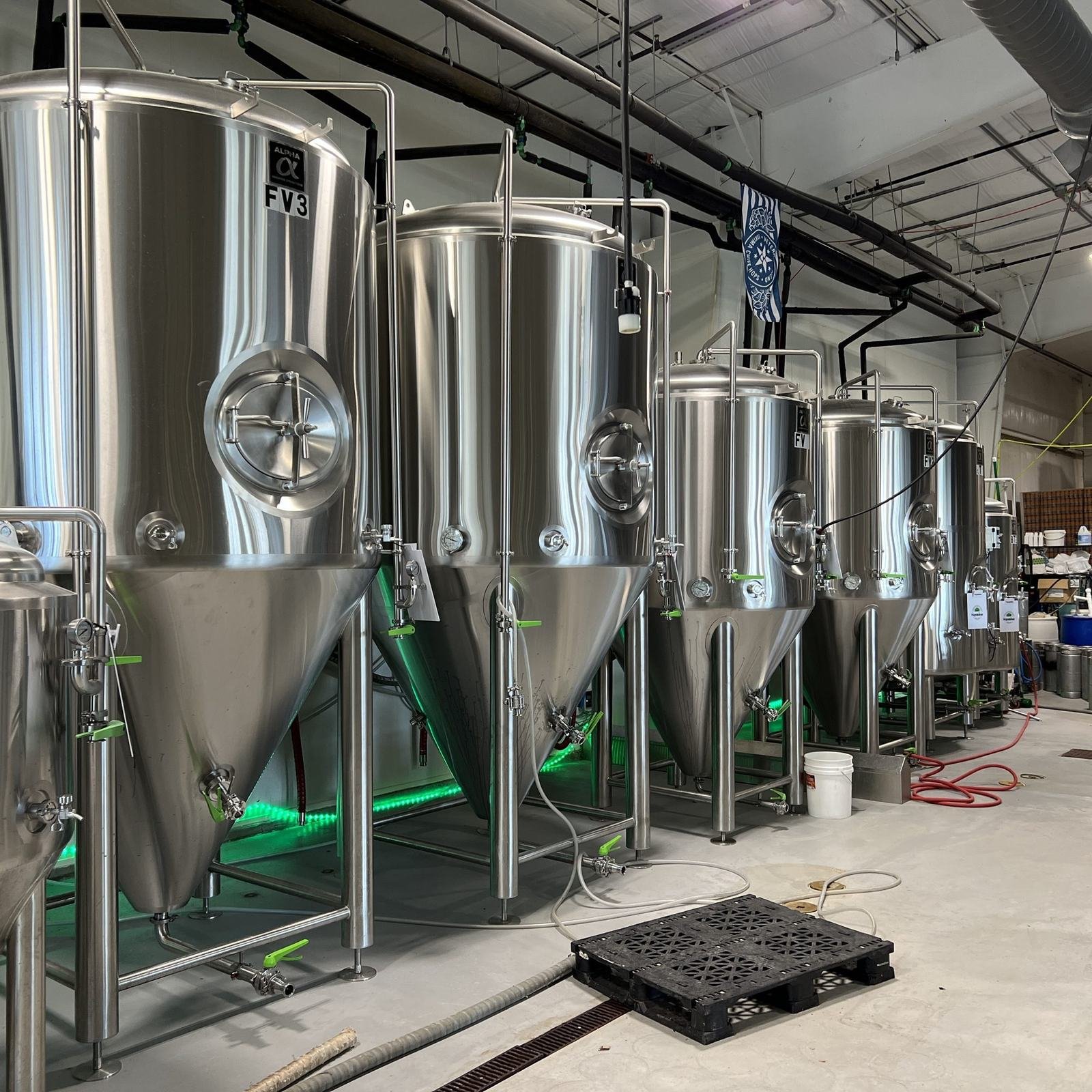
That is why the effective date on a brewery appraisal is doing real work. An owner who priced his cellar off what it cost to build before the pandemic wasn't wrong at the time; the market moved under him. But that number, or an appraisal from a different year, can describe a market that is gone. A lender relying on last year's figure has the same problem from the other side: collateral brings what the used market pays on the day it has to be sold, and in the COVID closures that was the same day every other closing brewery was selling.
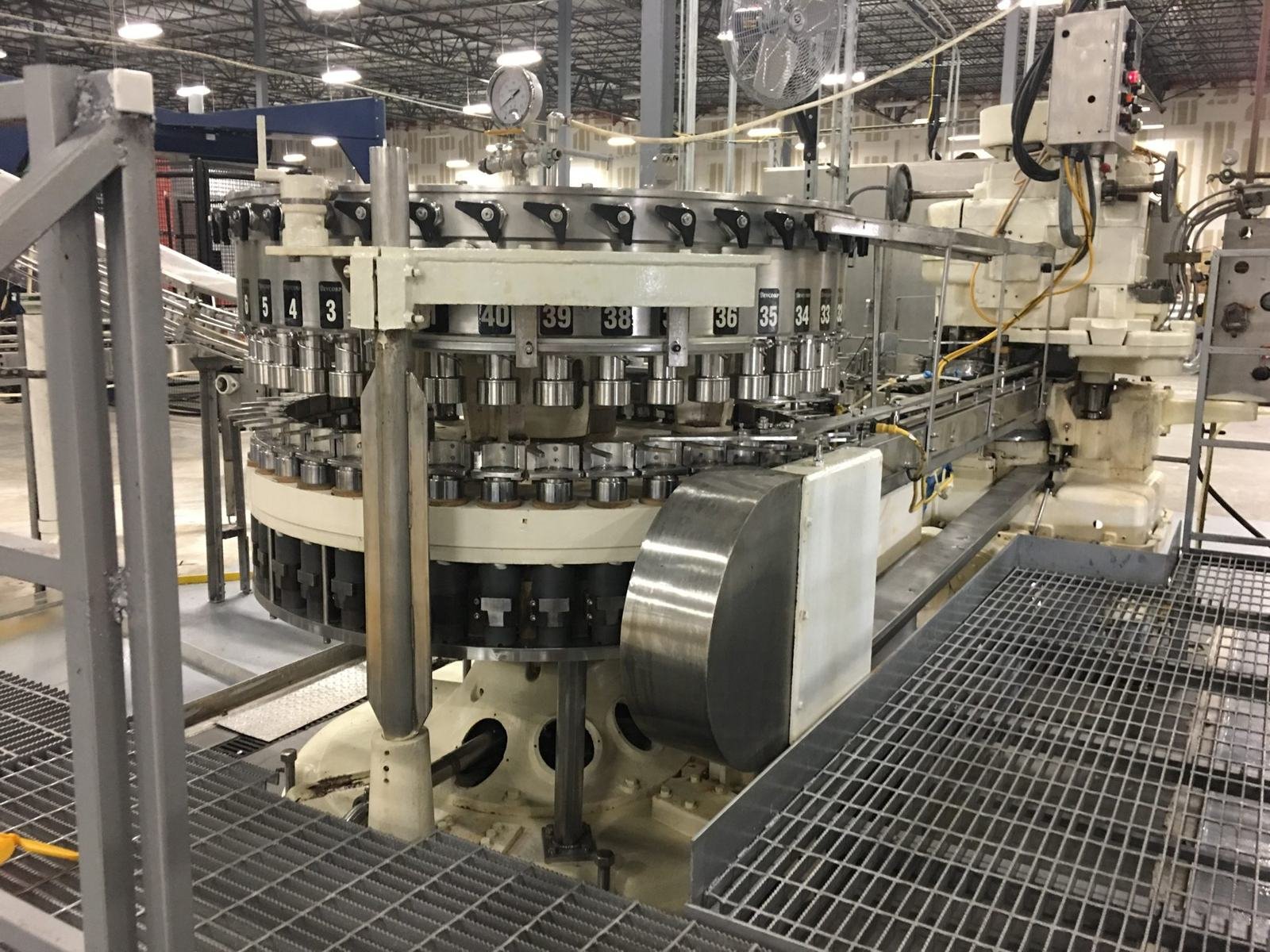
Two parts of a brewery are valued on different terms from the cellar. A brewhouse that is piped, wired and permitted carries continued-use value that does not survive being cut loose and crated. And the packaging line, canning or bottling, is often the swing asset: sensitive to make, speed, format range and condition, it can move the total more than any one tank.
Brewhouse, cellar, packaging, and the utilities behind them.
-
Brewhouse & milling
Malt and roller mills, grist cases, mash and lauter tuns, brew kettles and whirlpools, hot and cold liquor tanks, wort heat exchangers, and the brewhouse platform and piping, in two-, three- and four-vessel systems, steam or direct-fired.
-
Cellar & fermentation
Cylindroconical fermenters and unitanks, brite and serving tanks, yeast brinks and propagation, glycol chillers and jacketing, CIP skids, centrifuges, carbonation and dissolved-oxygen control, and barrel or foeder programs.
-
Packaging & utilities
Canning lines with fillers and seamers, bottling lines, keg washers and fillers, labelers, depalletizers, conveyors, coders and case packers; plus steam boilers, air compressors, CO2 recovery, water treatment, grain silos, walk-in cold storage, and draft and taproom systems.
Expansions, exits, partner changes and the next owner.
Breweries call at a handful of moments. For SBA and equipment financing, the lender's Orderly Liquidation Value drives how much the equipment will carry. When buying or selling a brewery, or bringing in a partner, both sides need one dated Fair Market Value to negotiate from instead of two opinions. At succession, the founder's memory of what the system cost is not what the next owner can borrow against. For insurance, a schedule written at replacement cost and a sale price are different numbers, and a claim after a loss shows which one the policy used. In closures, receiverships and workouts, the number is a liquidation value, and it turns on how many other breweries are selling at the same time.
A buyer keeping the brewery running is paying Fair Market Value in continued use. A lender will also look at Orderly Liquidation Value, which depends heavily on how saturated the used-tank market is on the effective date. The report states both, and the date that makes them true.
Brewery appraisals: the questions owners and lenders bring.
-
Why did brewery tank values fall so fast?
Because supply flipped. Before the pandemic, new tanks were hard to get and breweries that had them carried a premium. When closures hit, many breweries sold at once, and the same tanks fell toward scrap within about a year with no change to the steel.
-
Is my old appraisal still good?
It holds for the date printed on it, and only that date. A brewery valuation measures the used-equipment market on its effective date, and during the COVID closures that market reversed within about a year. A lender or buyer reads an older report as a record of an older market.
-
What is the most valuable part of a brewery?
Often the packaging line. Canning and bottling lines are among the most valuable single assets and the most sensitive to speed, format range and condition. A working, permitted brewhouse also holds value in place.
-
Does replacement cost tell me what it's worth?
No. Replacement cost is what new stainless would cost to buy and install. A sale brings what the used market pays on the effective date, and when many breweries are selling at once, those two numbers can sit far apart.
-
What brewery equipment do you appraise?
Mills, mash and lauter tuns, kettles and whirlpools, liquor tanks and heat exchangers; fermenters, brite tanks, glycol, CIP and centrifuges; canning and bottling lines, keg equipment and packaging; and boilers, compressors, CO2 recovery, silos and cold storage.
-
What does an SBA lender need?
A USPAP-compliant appraisal from a qualified appraiser, with the value standard the loan requires, usually Orderly Liquidation Value alongside Fair Market Value, dated to the current market.
Which market is your number dated to?
Tell us the system size, the packaging line and what the appraisal is for.
USPAP-compliant · MCMEA-credentialed · Brewhouse · Cellar · Packaging lines