
Pharmaceutical equipment appraisal — where the validation is the value, and the validation stays behind.
A pharmaceutical asset earns most of its worth from something a buyer can't buy: the qualification, the cleaning validation, and the filed process that make it legal to run. Sell the machine and that package stays with you — the next owner gets steel and a re-qualification bill. This is field-verified appraisal, USPAP-compliant, built for the plants that run reactors and bioreactors, lyophilizers, tablet presses, isolators, and fill-finish lines — a number set on what actually changes hands, so it holds when a buyer's advisor, an auditor, or a bank reads it line by line.
The two figures an owner reaches for first — what the line cost to build and what it carries on the books as "validated" — are the two worst places to start. A buyer pays for steel and function, then re-qualifies from zero on their own site. The distance between what the asset is worth to you and what it brings once that re-qualification is priced in is usually the biggest fact in the whole appraisal, and it is the one a depreciation table never shows.
BAZZLE values pharmaceutical and biopharmaceutical manufacturing equipment across the country — API and small-molecule synthesis, biologics and cell culture, oral solid dose, sterile fill-finish, and packaging and serialization, for manufacturers and CDMOs alike — done onsite, at desktop, or virtually. The credential behind the number is the MCMEA, held by 26 appraisers in the United States, carried by the plant-floor years it takes to separate a line that will re-purpose from one that only ever brings scrap, and a validated going concern from a room of qualified iron a buyer will pay to tear out.
The qualification is the value — and it doesn't leave the room with the machine.
A standalone pump, a stainless tank, or a lab bench sells into a broad used market where comparables are easy to find. A qualified fill-finish line, a validated lyophilizer, or a WFI system does not — because what made it worth its capital was the qualification wrapped around it, and that qualification is specific to this machine, this room, and this product. IQ/OQ/PQ, cleaning validation, batch records: none of it transfers on a sale. The purchaser re-qualifies on their own site before the equipment makes a single unit they can ship. Price the asset off what it cost to build and validate, and the figure collapses the first time someone who knows the sector lays a re-qualification timeline beside it.
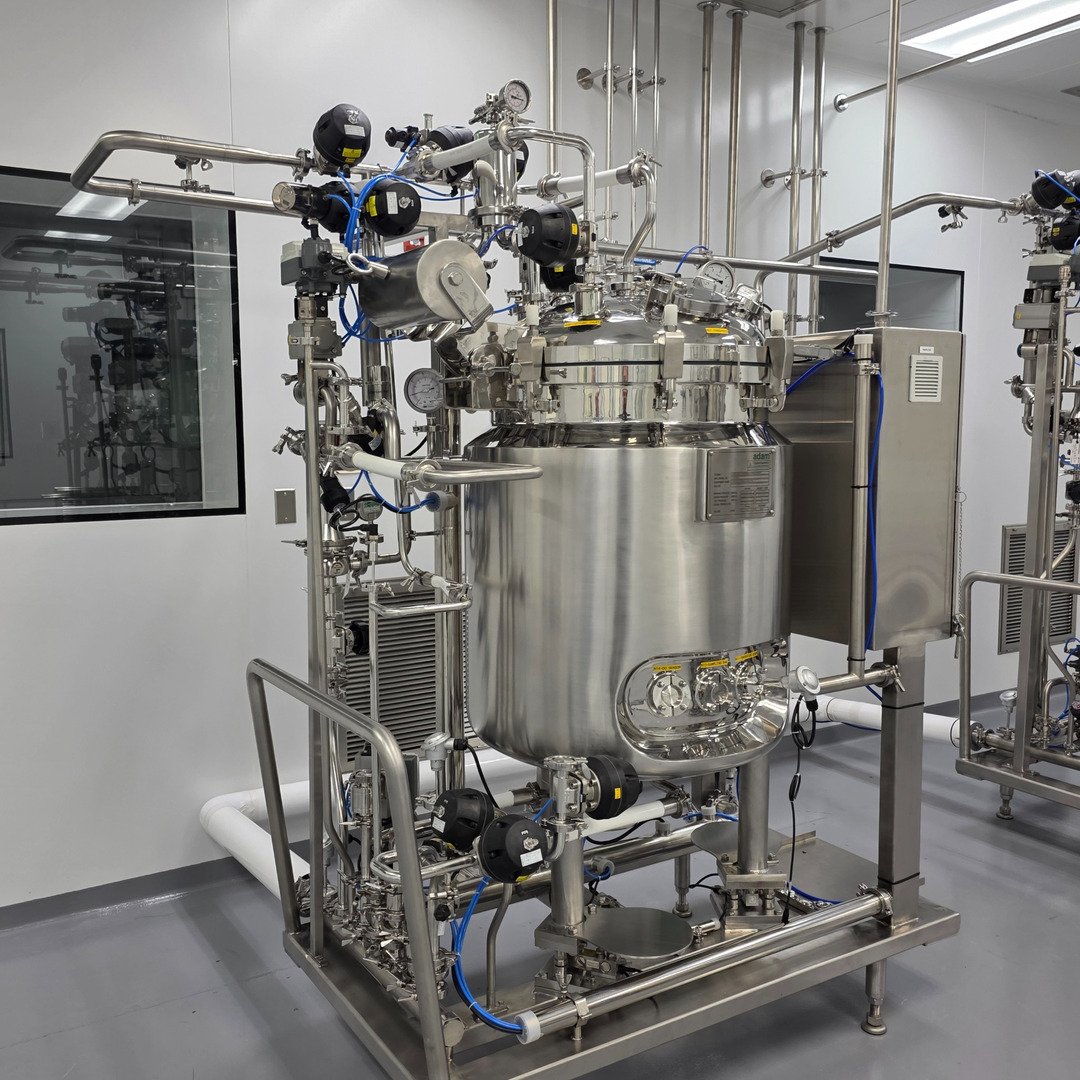
There's a habit underneath the wrong number, and it isn't carelessness. The schedule gets built straight from the capital ledger, where a line was booked at what it cost to design, install, and qualify — honest bookkeeping that happens to measure the wrong thing, because it treats a molecule-specific, fully-validated asset as though it were general-purpose iron with permanent worth. Then the fast outside quotes arrive from the used-equipment brokers and asset-recovery desks who buy and resell your lyophilizers and tablet presses, and they price only the metal, because the metal is all they can resell. Neither number asks whether the line re-purposes, what its containment class limits it to, or what a buyer nets after re-qualifying it. Let either go unchallenged and you've handed over the starting figure — for the deal, the claim, or the loan file — without meaning to.
From the reactor and the bioreactor to the fill line — and the room that qualifies them.
-
Synthesis, bioprocess & clean utilities
Glass-lined and alloy reactors, hydrogenators, agitated Nutsche filter-dryers, crystallizers and centrifuges; stainless and single-use bioreactors and mixers, chromatography and tangential-flow-filtration skids, harvest centrifuges and media prep; Water-for-Injection stills, purified-water loops, and pure-steam and CIP/SIP skids.
-
Formulation, sterile & fill-finish
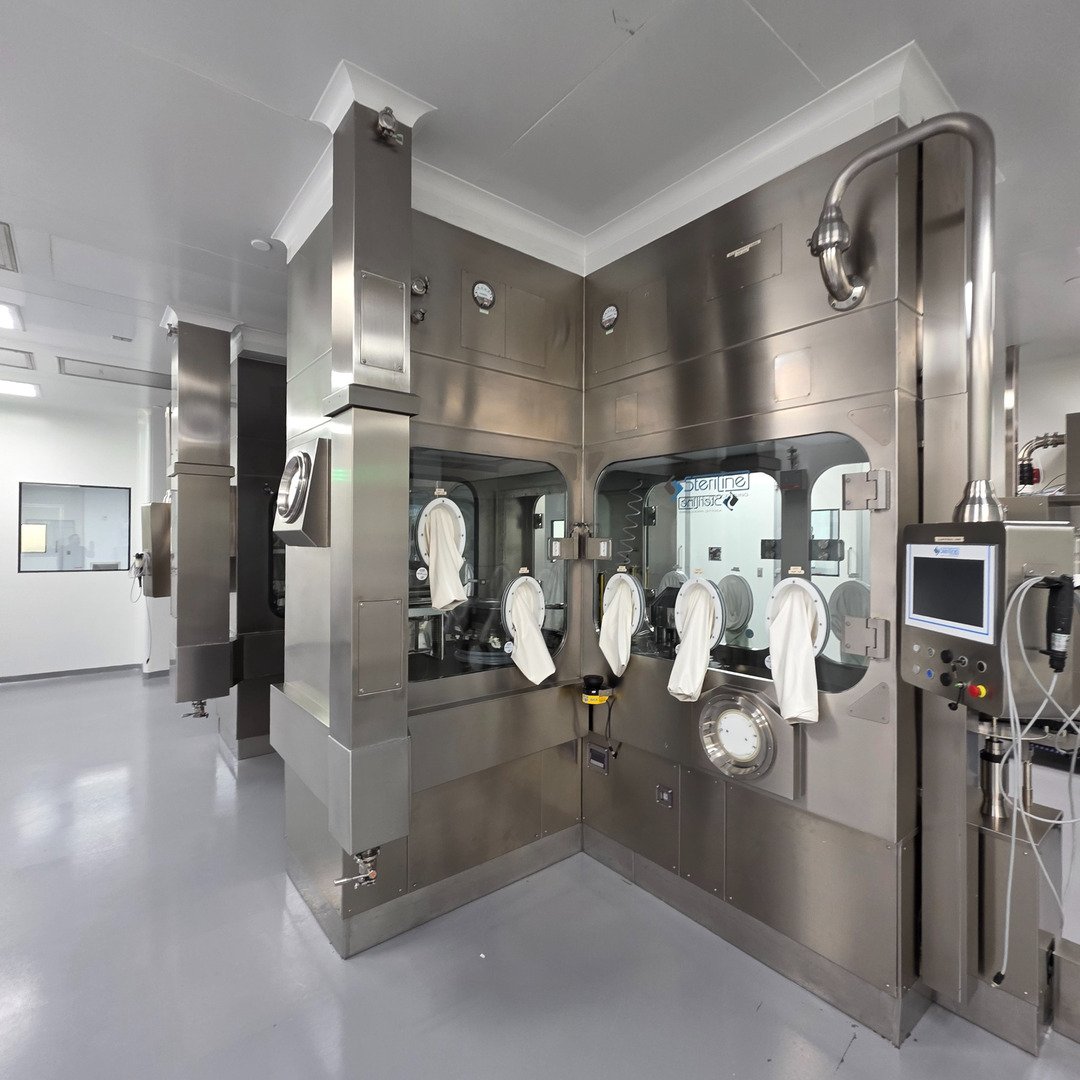
Rotary tablet presses, capsule fillers, high-shear and fluid-bed granulators, coaters, mills, and blenders; vial, syringe, and cartridge fillers, lyophilizers, isolators and RABS, depyrogenation tunnels, autoclaves and sterilizers, component washers, cappers, and automated visual inspection — the qualified core where the value hides.
-
Packaging, serialization & QC/cleanroom
Blister and bottle lines, cartoners, labelers, and serialization and aggregation equipment; cleanroom HVAC and HEPA, environmental monitoring, compressed air and nitrogen; and the QC lab — HPLC, GC, mass spec, dissolution testers, stability and cold chambers, and ultra-low-temperature freezers.
The moments the number gets read by someone who knows.
The appraisal tends to surface at a narrow set of moments, and at each of them somebody who understands the sector is already putting a figure on paper — the only question is whether yours got there first: a site divestiture, an acquisition, or an outright sale, including the CDMO roll-ups and the plants big pharma sheds; asset-based and equipment-secured credit, which no bank will close on without a USPAP report; insurance replacement-cost schedules, plus the loss and business-interruption claims behind them; product discontinuation, site closure, and decommissioning, where the re-qualification discount is the entire story; biotech wind-downs handing capital back to investors; and bankruptcy, workouts, partner and estate matters, and property-tax appeals. All of them fix a standard and a premise the report is bound to.
Which of the three applies — Fair Market Value, Orderly Liquidation Value, or Forced Liquidation Value — is a question of purpose, and on validated pharmaceutical assets the going-concern figure and the liquidation figure sit unusually far apart, because one premise holds the qualification and the other loses it. Weighing which one fits? Start from the difference between the value types; when the trigger already answers it, the matching guide takes you there.
Pharmaceutical equipment appraisals — the questions that decide the number.
-
Do pharma assets actually need a specialist?
Yes — because most of what the asset is worth to you never reaches the buyer. A tablet press or a lyophilizer earns its in-use value from being qualified, cleaning-validated, and written into a filed process, and none of that documentation transfers on a sale. Price it off build cost and age and the figure fails the moment someone qualified reprices it as steel that has to be re-qualified from zero.
-
What equipment is on your list?
Synthesis and bioprocess — reactors, hydrogenators, filter-dryers, crystallizers, stainless and single-use bioreactors, chromatography and TFF skids, and WFI and purified-water systems. Formulation, sterile, and fill-finish — tablet presses, granulators, coaters, blenders, fillers, lyophilizers, isolators and RABS, tunnels, autoclaves, and inspection. And packaging, serialization, and QC — blister and bottle lines, cartoners, serialization gear, cleanroom HVAC, stability chambers, ULT freezers, and lab instruments.
-
Why is removed equipment worth so much less?
Because qualification is equipment-and-site-specific. The IQ/OQ/PQ package, the cleaning validation, and the batch records are tied to that machine, in that room, running that product, and a buyer inherits none of it — they re-qualify at their own cost and timeline before the machine makes anything sellable. The spread between in-use value and used-market value, once that is priced in, is the re-qualification discount, and it is the largest fact on most pharma schedules.
-
How does a discontinued product or patent cliff hit the value?
A line built around one molecule or one format is worth a lot while it runs and little once it stops. When a product is discontinued or comes off patent, the purpose-built equipment behind it is stranded — obsolescence no depreciation curve reports. The same happens to large stainless bioreactors displaced by single-use systems. What the line can re-purpose to, and for whom, is where the number is really set.
-
What standard will a lender or buyer expect?
The purpose decides. Deals and divestitures usually settle on Fair Market Value. A bank lending against the hardware sets Orderly Liquidation Value, with Forced Liquidation Value kept underneath as the floor. Insurers price to replacement cost. On validated, purpose-built assets that spread runs wide, since the going-concern premise holds the qualification and the liquidation premise loses it — the reason a specialist's read decides whether any figure survives.
-
Isolator, cleanroom, or WFI — equipment or fixture?
That turns on how it was installed and why, and it is a real judgment with money on it. A skid-mounted filler or a portable freezer reads as personal property; an isolator built into the room's ISO classification, the cleanroom HVAC that holds it, and a hard-piped WFI loop can behave as fixtures tied to the building. Which side each lands on shifts the number and the security a lender can actually claim, so it's flagged explicitly.
Get a number that survives being repriced as steel.
Fifteen minutes on the phone to frame it — the process, the equipment, the site, and what the appraisal has to do. You get back a field-verified valuation under USPAP, from an appraiser who knows what a buyer will and won't pay for once the qualification has to be built again — in hand before a transaction, a bank, or a loss decides the number without you.
USPAP-compliant · MCMEA-credentialed · Validated & removed · Sterile & fill-finish · Bioprocess