
Industrial & manufacturing equipment appraisal — installed value vs. what it brings on the floor.
A manufacturing plant is worth one number running in place and a very different one sold off piece by piece — and the gap between those two premises is where most valuations go wrong. Integrated lines, custom process equipment, installation and removal costs, and technological obsolescence all move the number in ways a generic depreciation table never captures. This is field-verified, USPAP-compliant appraisal for industrial operators, with values that hold up when a lender, insurer, or court pushes on them.
Manufacturing equipment carries two very different values: value in continued use — the equipment installed and running as part of a going operation — and value in exchange, what it brings removed and sold. Integrated lines, custom machinery, installation and removal cost, and obsolescence drive the spread, and the purpose of the appraisal decides which premise applies. A credentialed appraiser who knows the difference produces a defensible number; a generalist running a depreciation table produces one that answers the wrong question.
BAZZLE appraises industrial and manufacturing equipment nationwide — metalworking, plastics and molding, process and chemical, food and consumer products, and heavy fabrication — onsite, desktop, or virtual. The credential behind the number is the MCMEA, held by 26 appraisers in the United States, and it's backed by field time on real plant floors, across the machine types most appraisers never touch.
Two premises, custom iron, and obsolescence that moves fast.
The same machine has two legitimate values, and choosing the wrong premise is the most common — and most expensive — mistake in this sector. Value in continued use assumes the equipment stays installed and productive; value in exchange assumes it's removed and sold, net of rigging and freight. On an integrated line the difference is large, and a generalist who doesn't set the premise deliberately produces a number that's simply answering a different question than the one the lender, court, or auditor is asking.
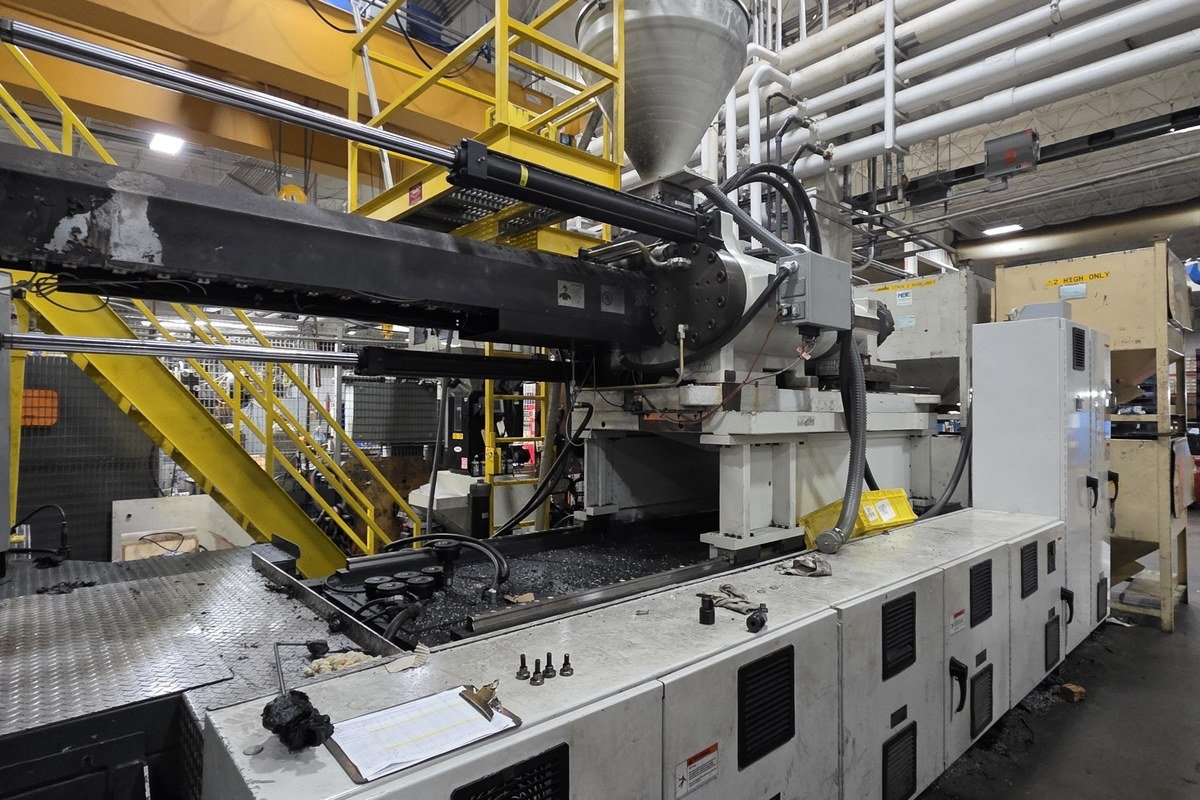
Manufacturing iron also ages on two clocks. Physical condition is one; technological and functional obsolescence is the other, and it can strand a mechanically-sound machine well before it wears out. Custom and special-purpose equipment compounds the problem — it has a narrow buyer pool and little clean sales data — so the value has to be built from cost, useful life, and market evidence rather than pulled from a table.
From standalone machines to integrated lines.
-
Metalworking & fabrication
CNC machining centers, lathes, mills, stamping and hydraulic presses, press brakes, lasers and waterjets, welding and forming equipment, and heat-treat furnaces — the core machine tools that cut, form, and finish metal.
-
Process & production lines
Extrusion and injection-molding lines, blow molders, mixing and compounding systems, coating and finishing lines, plating and anodizing, ovens and dryers, and packaging lines — integrated, process-specific equipment valued as working systems.
-
Plant support & infrastructure
Overhead cranes and hoists, conveyors, boilers and compressors, dust collection, process piping, electrical distribution, and material-handling equipment — the installed support systems that keep the floor running.
The moments the number has to hold.
Industrial and manufacturing operators commission appraisals at the same predictable triggers as any heavy-industry operator: financing and refinancing of equipment-secured credit and asset-based lending; insurance replacement-cost schedules and post-loss claims; buying or selling a plant or a line, including purchase-price allocation after a deal; bankruptcy and workouts; and estate, tax, and property-tax matters. Each fixes the value type — and the premise — it needs.
Which standard applies — Fair Market Value, Orderly Liquidation Value, or Forced Liquidation Value — and whether it's in continued use or in exchange, is driven by the purpose, not by preference. If you're not sure which you need, start with the value-type breakdown; if you know the trigger, go straight to the guide for it.
Industrial & manufacturing equipment appraisals — straight answers.
-
Does manufacturing equipment need a specialist?
Yes. The same machine has two legitimate values — installed and running versus removed and sold — and much of the equipment is custom, integrated, and subject to fast technological obsolescence. A generalist running a depreciation table without setting the premise or accounting for obsolescence produces a number that answers the wrong question and fails under a lender's or court's review.
-
Value in use vs. value in exchange?
Value in continued use assumes the equipment stays installed and productive as part of a going operation, including its contribution to the working line. Value in exchange assumes it's removed and sold, net of rigging, freight, and reinstallation. On an integrated line the gap is large, and the purpose of the appraisal — not preference — decides which premise applies.
-
What manufacturing equipment do you appraise?
Metalworking and fabrication — CNC machining centers, lathes, mills, stamping and hydraulic presses, press brakes, lasers, waterjets, welding, and furnaces. Process and production lines — extrusion, injection molding, blow molding, coating and finishing, plating and anodizing, ovens, and packaging. And plant support — overhead cranes, conveyors, boilers, compressors, dust collection, and material handling.
-
How do you value custom equipment with no comps?
When there's no clean comparable sale, the value is built from the cost approach, useful-life and obsolescence analysis, installation and removal cost, and whatever specialized market evidence exists. This is where a specialist earns the engagement — custom and integrated equipment is exactly what a generalist can't value defensibly off a table.
-
Do you handle purchase price allocation?
Yes. After a plant or line is acquired, the purchase price is allocated to the acquired assets at fair value, and equipment is usually a major component. That work uses the fair-value standard and typically the continued-use premise, and it has to satisfy auditors — see the purchase-price-allocation guide for how the equipment side is handled.
-
What value type do manufacturing lenders require?
Most equipment-secured and asset-based manufacturing lending uses Fair Market Value and Orderly Liquidation Value, with OLV as the controlled-disposition floor; some lenders also want Forced Liquidation Value. The lender specifies both the standard and the premise, and on integrated, custom equipment the spread between them can be wide — which is why the premise has to be set deliberately.
Get a manufacturing equipment number that holds.
Fifteen minutes to scope it — the equipment and lines, why you need the appraisal, and how the plant is used. You get a field-verified, USPAP-compliant valuation from an appraiser who sets the premise deliberately instead of defaulting to a table.
USPAP-compliant · MCMEA-credentialed · In use · In exchange · Courts