
The S-election date fixes an equipment value the company lives with for five years.
When a C corporation elects S status, gain already built into its assets on the conversion date can be taxed at the corporate level if those assets are sold within five years. Equipment is often where much of that gain sits. This guide covers how the built-in gains tax works, why the conversion-date fair market value sets the baseline, and why that value is best fixed at the time of conversion.
Under IRC section 1374, an S corporation that converted from a C corporation pays a corporate-level tax on built-in gain recognized within the five-year recognition period. Built-in gain is measured from each asset's fair market value on the first day of the first S-corporation tax year. A credentialed appraisal effective that date fixes the baseline before any sale puts it in question.
Equipment written down by accelerated or bonus depreciation can carry a tax basis near zero, so most of its market value on the effective date of the S election may be built-in gain.
Built-in gain is measured from the effective date of the S election.
When a C corporation becomes an S corporation, the appreciation already in its assets stays with them. If the company sells an asset within five years of conversion, the gain that existed on the conversion date can be taxed at the corporate rate under section 1374, subject to the net unrealized built-in gain and taxable-income limits, in addition to flowing through to shareholders.
For an equipment-heavy company, much of that gain sits in the machinery. Without a documented conversion-date value, every sale inside the window invites a dispute over how much gain was built in before conversion and how much came after.
A contemporaneous value carries more weight than a reconstruction.
The calculation separates pre-conversion appreciation from post-conversion gain, and a clean conversion-date value makes that split clean. An appraisal effective the effective date of the S election documents the equipment while its condition and the market are current and verifiable.
Reconstructing that value years later, from incomplete records and a market that has since moved, is harder to do and easier to challenge.
A conversion-date value the return can rely on.
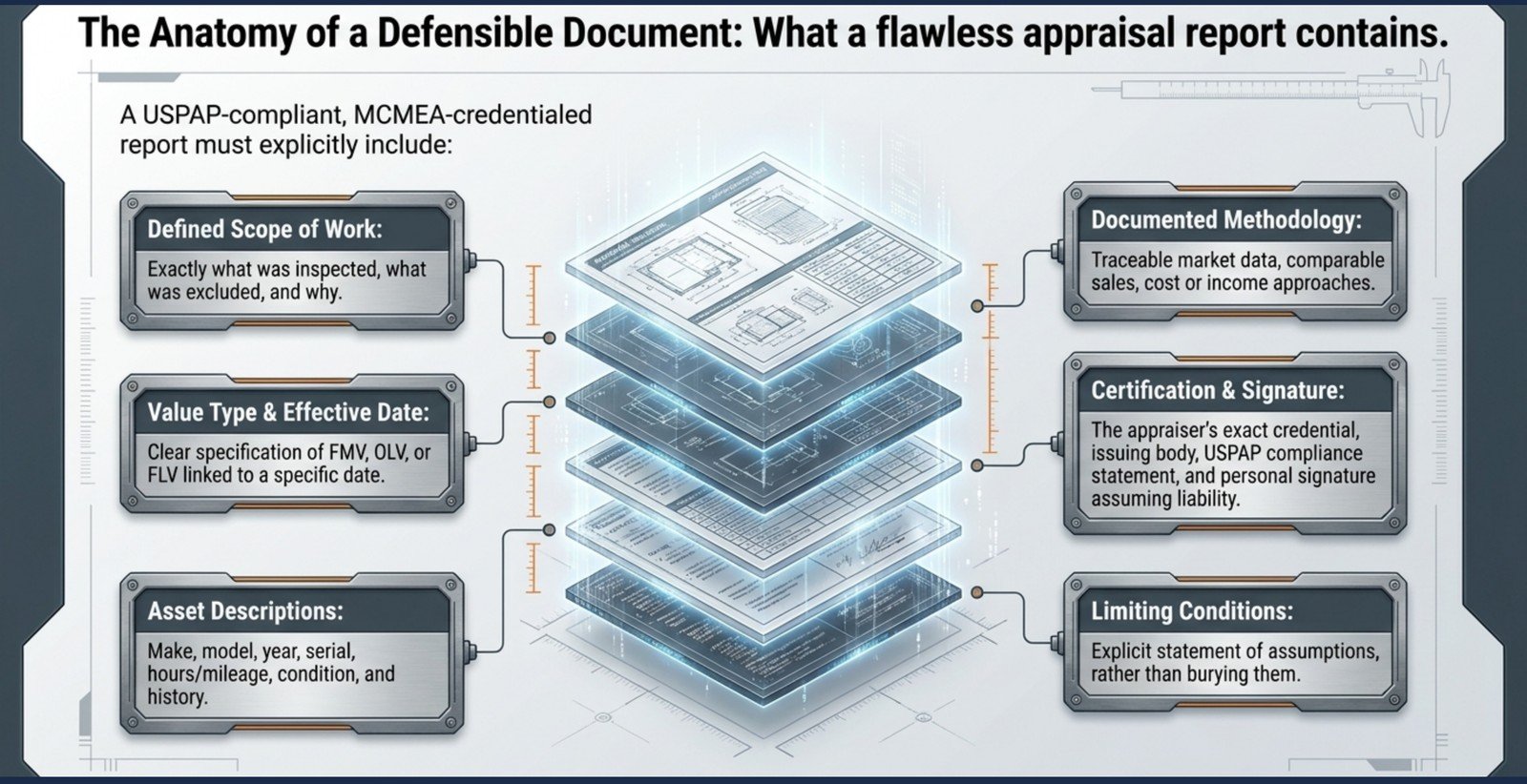
A conversion-date appraisal identifies and inspects the equipment, states fair market value with the effective date of the S election as the effective date, shows the market evidence, and carries the appraiser's credential and signature.
The built-in gain sits in the iron.
Fixing how much gain is built into equipment on a given date means pricing those specific assets against the market as it stood that day. A book figure reflects tax depreciation and says nothing about market value.
Nathan Bazzle is one of 26 Master Certified Machinery & Equipment Appraisers in the United States.
C-to-S conversion appraisals, straight answers.
-
What is the built-in gains tax?
A corporate-level tax under IRC section 1374 on appreciation that existed when a C corporation converted to an S corporation, triggered if the asset is sold within the recognition period.
-
How long is the window?
Five years from the conversion date. A sale of a built-in-gain asset inside that window can trigger the tax. A sale after it generally does not.
-
Why appraise at conversion?
To fix the fair market value baseline the built-in gain is measured from, while the value is current and verifiable.
-
Can we wait until a sale?
You can try to reconstruct the conversion-date value later, but a contemporaneous appraisal is stronger evidence if the gain is examined.
-
What value standard?
Fair market value, effective the effective date of the S election.
-
Is this tax advice?
No. The election and the built-in gains calculation stay with your CPA or tax counsel. The appraisal fixes the equipment's fair market value at the conversion date.
Fix the conversion-date value while it is current.
Fifteen minutes to scope it: the equipment and the effective date of the S election. You get a credentialed fair market value that documents the built-in gains baseline.
USPAP-compliant · MCMEA-credentialed · One of 26 in the U.S.