
Food and beverage processing equipment appraisal — before someone else's number becomes the price.
A processing plant is the hardest kind of equipment to value well: engineered lines that are hard-piped and integrated, a value that swings on whether it's counted in place or removed, and sanitary and refrigeration rules that decide whether a buyer can even reuse it. This is field-verified, USPAP-compliant appraisal for the operations that run fillers, retorts, pasteurizers, freezers, and CIP systems — a defensible number for the moment a deal, a lender, or a claim turns on it.
A processing line is worth two very different numbers depending on one word in the engagement: in place or removed. Installed and running, it carries the engineering, piping, and controls that made it work. Disconnected and sold to the used market, most of that is gone. On a food or beverage plant, that gap is usually the single largest fact in the appraisal — and it's the first thing a generalist gets wrong.
BAZZLE appraises food and beverage processing equipment nationwide — dairy, meat and poultry, bakery, beverage, snack, prepared foods, and ingredient operations — onsite, desktop, or virtual. The credential behind the number is the MCMEA, held by 26 appraisers in the United States, backed by the field time it takes to read a line that was built for one product and know what it's worth to the next owner.
The value swings on the premise, not just the iron.
A standalone homogenizer or a bank of stainless tanks has a deep used market and easy comparables. A complete, hard-piped processing line built around a single product does not — much of what it cost was engineering and installation that a buyer won't pay twice, and whether the next operator can re-certify it sanitary for their own product decides whether it's worth a premium or worth scrap. Get the premise or the reuse question wrong and the number falls apart the first time a buyer's advisor or an opposing expert looks at it.
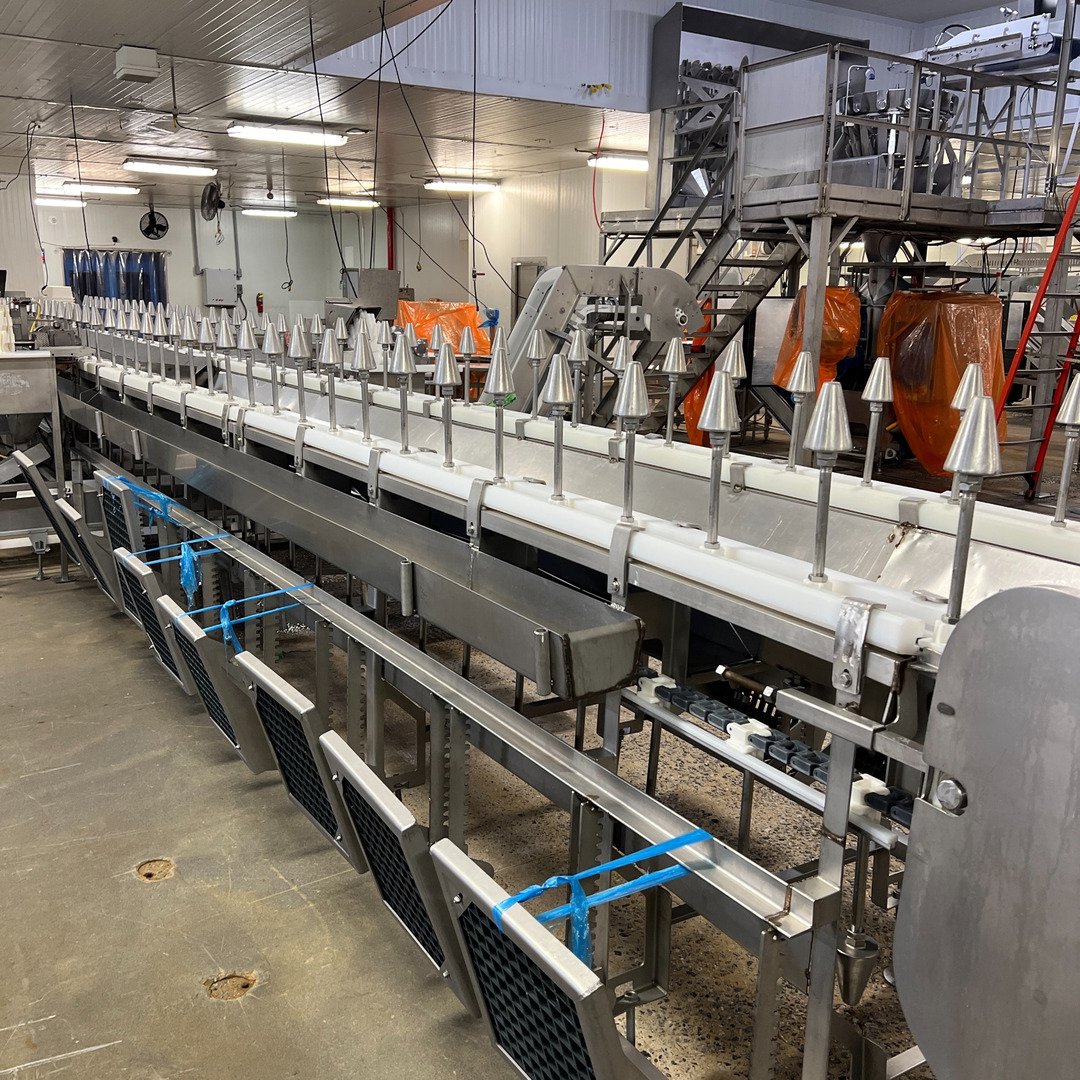
Here's the part nobody warns you about, and it isn't your fault: the people quickest to give you a value on your stainless are often the used-equipment dealers and auctioneers who also buy and resell it. Their number is a removed-and-liquidated number by design, and it becomes the anchor for your sale or your claim unless you already have a credentialed one in hand. Refrigeration adds another layer — a built-in ammonia system with a process safety management program can behave as a fixture tied to the building, not equipment on the schedule, and that call moves both the value and what a lender can actually take as collateral.
From the process floor to the loading dock — and the plant that keeps it cold.
-
Process & production
Mixers, blenders, cookers and kettles, retorts and autoclaves, HTST and UHT pasteurizers, homogenizers, separators and centrifuges, evaporators, spray dryers, extruders, depositors, ovens, and fryers — the engineered core of the line.
-
Filling, packaging & end-of-line
Piston, gravity, and net-weigh fillers, cappers and seamers, labelers, cartoners, case packers, palletizers, and shrink wrappers — plus the metal detectors, X-ray, and checkweighers that ride the line and carry their own value.
-
Refrigeration, utilities & CIP
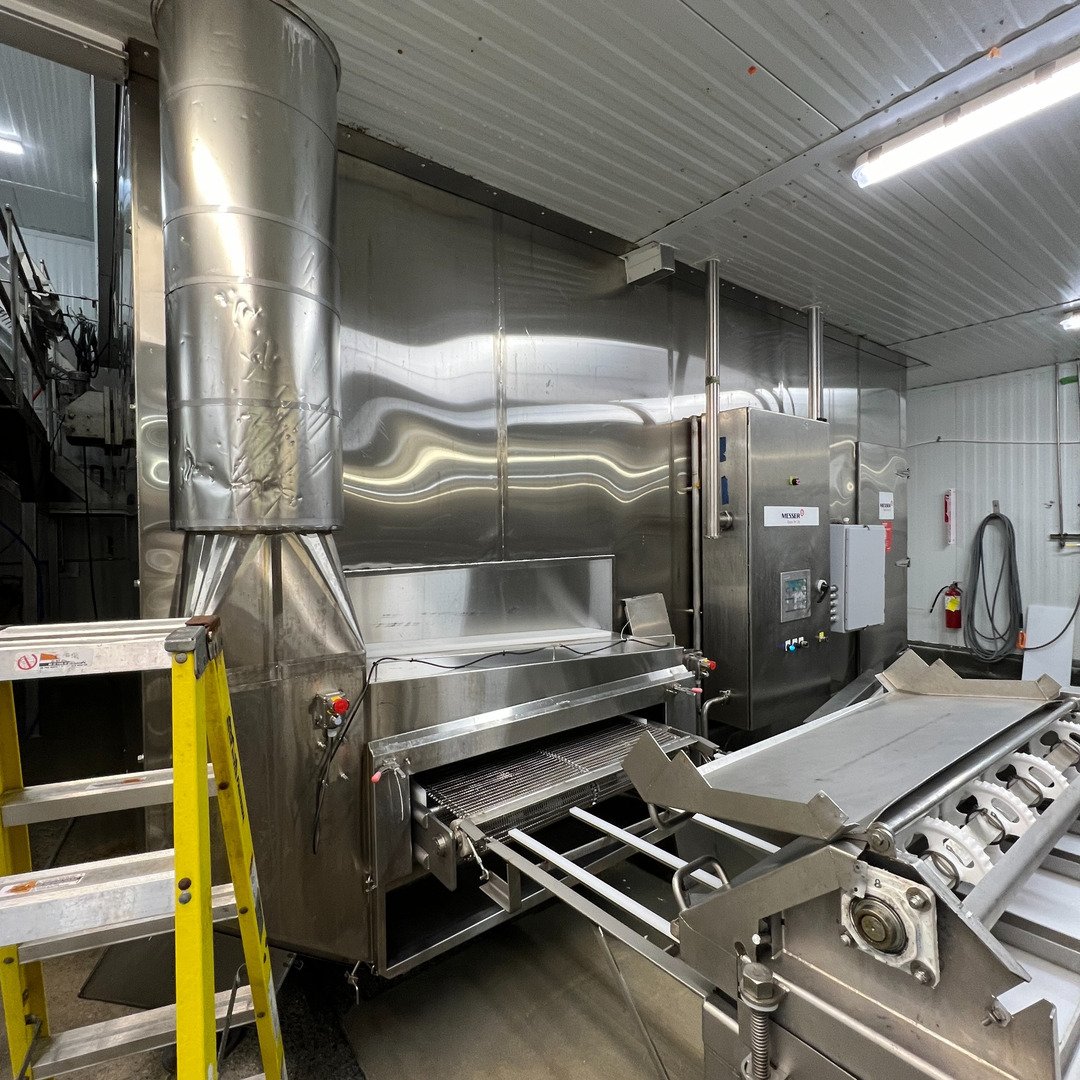
Ammonia and glycol refrigeration, screw compressors and evaporative condensers, spiral and blast freezers, clean-in-place skids, boilers, air compressors, and water treatment — the plant systems that are easy to misclassify and expensive to get wrong.
The moments the number has to hold.
Food and beverage operations commission appraisals at predictable triggers, and in most of them the value is being set by someone if it isn't being set by you: selling or buying a plant, where the equipment value anchors the deal; SBA and conventional financing, which require a USPAP appraisal before funding; insurance replacement-cost schedules and post-loss claims, including business interruption; partner buyouts, estate, and tax; and bankruptcy and workouts. Each one fixes the value type — and the premise — it needs.
Whether it's Fair Market Value, Orderly Liquidation Value, or Forced Liquidation Value is driven by the purpose, not by preference. If you're not sure which you need, start with the value-type breakdown; if you know the trigger, go straight to the guide for it.
Food and beverage processing appraisals — straight answers.
-
Does processing equipment need a specialist?
Yes. A processing line is engineered, hard-piped, and sanitary-rated, and its value turns on judgments a generalist misses: in place or removed, whether it can be re-certified sanitary for another product, and how much of the cost is installation that never comes back on resale. The same stainless can support two very different defensible numbers depending on those calls.
-
What equipment do you appraise?
Process and production — mixers, kettles, retorts, HTST and UHT pasteurizers, homogenizers, separators, evaporators, spray dryers, extruders, ovens, and fryers. Filling and packaging — fillers, cappers and seamers, labelers, cartoners, case packers, palletizers, metal detectors, X-ray, and checkweighers. And refrigeration, utilities, and CIP — ammonia and glycol systems, spiral and blast freezers, clean-in-place skids, boilers, and air compressors.
-
Why two different numbers for one line?
Because value depends on the premise. Valued in place, a line reflects the engineering, piping, and controls that made it run. Valued as removed equipment sold to the used market, most of that installation cost is gone. On a processing plant the gap is often the largest single fact in the appraisal, so the purpose has to fix the premise before a number is developed.
-
Is ammonia refrigeration equipment or real property?
It depends on installation and intent, and it's a real judgment. A packaged glycol chiller often reads as personal property; a built-in ammonia system with engine room, evaporative condensers, and a PSM program can behave as a fixture tied to the building. Which side it falls on changes the number and what a lender can take as collateral, so it's called out explicitly.
-
What value type do lenders and buyers require?
The purpose sets it. A sale or acquisition usually runs on Fair Market Value; equipment-secured lending typically wants Orderly Liquidation Value with Forced Liquidation Value as the floor; insurance runs on replacement cost. On highly customized lines the spread between these standards is wide, which is another reason sector experience matters.
-
Do you handle a plant sale, acquisition, or SBA loan?
Yes — those are the most common triggers. In a sale the equipment value often anchors the deal, and if you don't bring your own number the buyer's advisor or the auctioneer supplies one. SBA and conventional lenders require a USPAP appraisal before they fund. The value is developed to the standard the transaction requires and documented so it holds up when the other side pushes on it.
Get the processing number before the deadline sets it for you.
Fifteen minutes to scope it — the equipment, the plant and product, and why you need the appraisal. You get a field-verified, USPAP-compliant valuation from an appraiser who knows the difference between a line's in-place value and what a dealer will quote you for it.
USPAP-compliant · MCMEA-credentialed · In-place & removed · Refrigeration · CIP