
Aggregate & quarry equipment appraisal — the mobile iron and the plant, valued right.
An aggregate operation is two valuation problems in one: a group of mobile equipment with a real resale market, and a crushing, screening, and wash plant that trades in a thin one and is usually the largest asset on the site. This is field-verified, USPAP-compliant appraisal for the operations that run crushers, screens, wash plants, loaders, haul trucks, and drills — values that hold up when a lender, insurer, or court pushes on them.
Aggregate equipment splits into two markets. The mobile iron — loaders, haul trucks, excavators, drills — has comparables, but abrasive-wear condition drives the number more than year of manufacture. The processing plant — crushers, screens, conveyors, wash circuits — is often custom-configured, semi-permanent, and thinly traded, and it's usually the biggest single asset on the site. Value them the same way and both come out wrong.
BAZZLE appraises aggregate, quarry, and sand-and-gravel equipment nationwide — hard-rock quarries, sand-and-gravel pits, and portable crushing spreads — onsite, desktop, or virtual. The credential behind the number is the MCMEA, held by 26 appraisers in the United States, and it's backed by field time on the crusher deck and in the pit, not a spreadsheet built from a distance.
Two markets, heavy wear, and a plant that's hard to move.
A wheel loader has a deep resale market and easy comparables — but in an aggregate operation it's run in the most abrasive conditions there are, and condition, hours, and component wear move the value far more than the model year. A generalist reading a clean auction price into a heavily-worked pit machine overstates it; one ignoring a fresh rebuild understates it. Either way the number is indefensible when it's challenged.
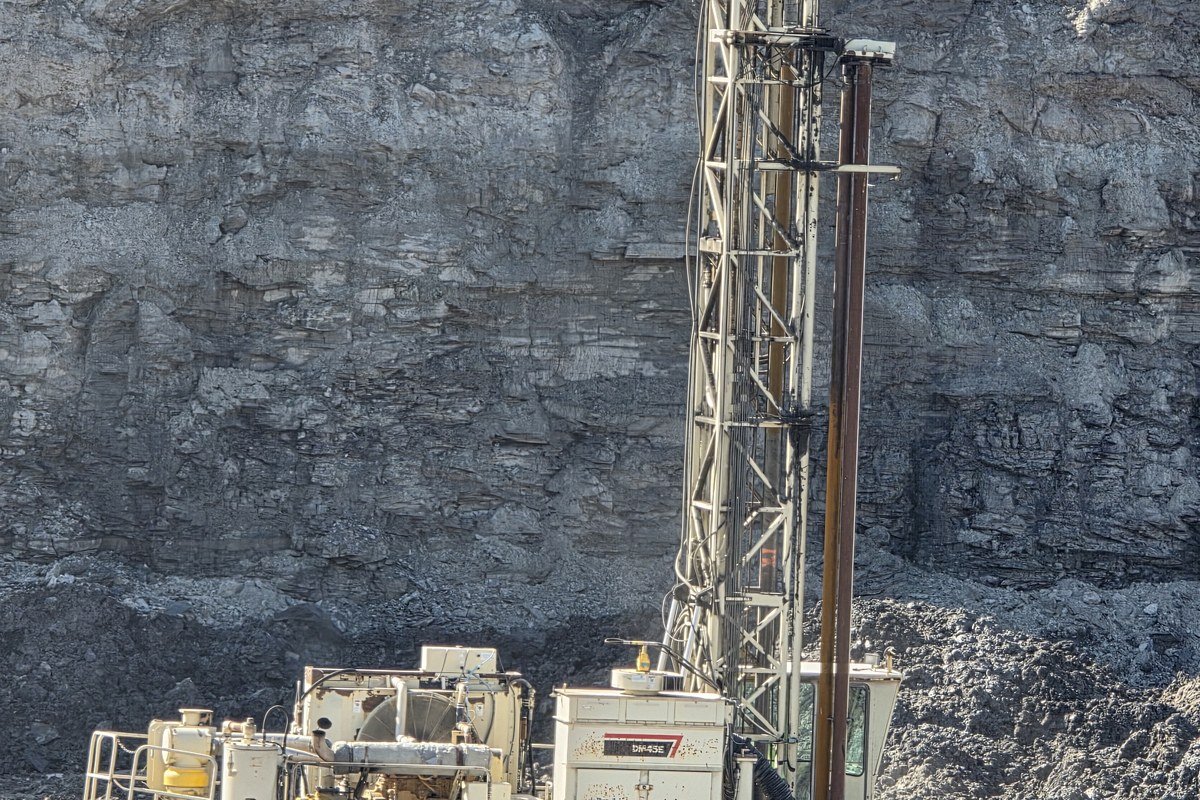
The processing plant is the harder half. Crushing and screening spreads and wash plants are frequently custom-configured, part-mobile and part-fixed, and installed to a specific site — so removal cost, remaining life, and a thin resale market all bear on the number. It's usually the single largest asset in the appraisal, and it's the piece a generalist is least equipped to value.
From the pit face to the stockpile.
-
Mobile equipment
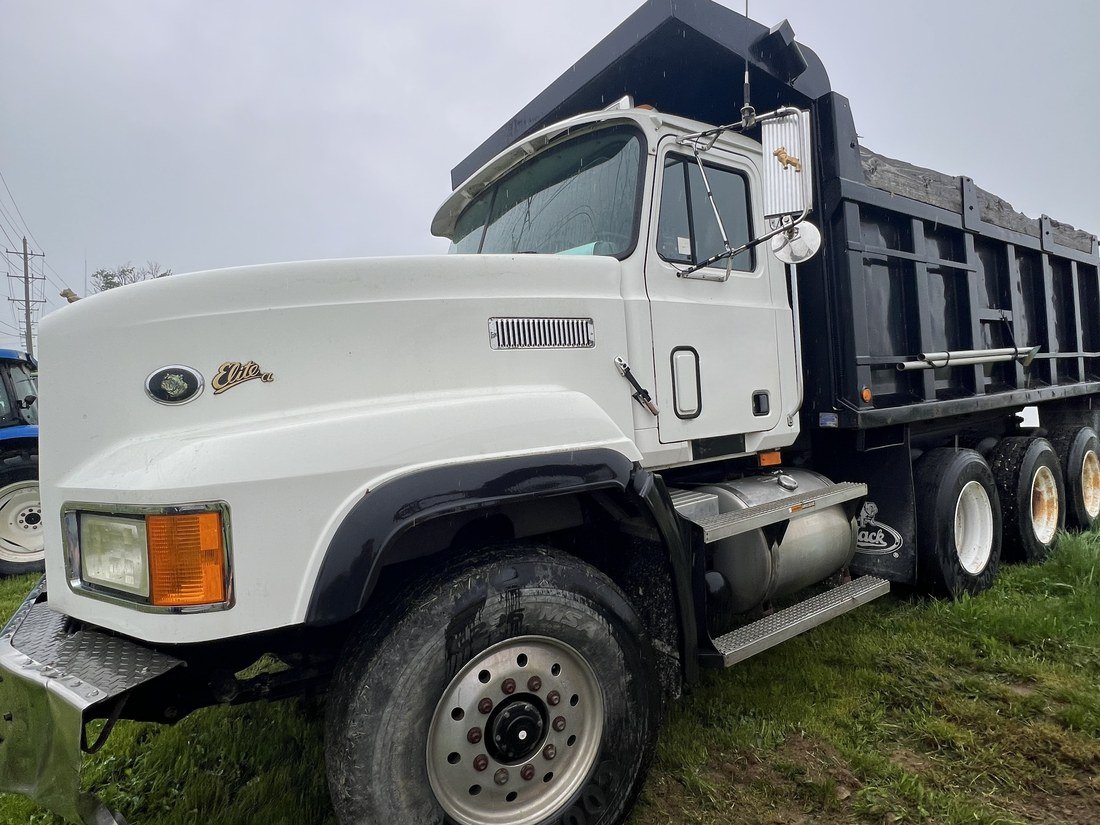
Wheel loaders, off-highway and articulated haul trucks, hydraulic excavators, dozers, blast-hole drills, motor graders, and water trucks — the mobile iron that drills, loads, and moves shot rock and product.
-
Crushing & screening
Jaw, cone, and impact crushers, screening plants, feeders, radial stackers and conveyors, pugmills, and portable and stationary crushing spreads — the equipment that sizes and sorts the material.
-
Washing & processing
Wash plants, sand screws and classifying tanks, fines-recovery and water-treatment systems, silos, scales, and load-out — the process equipment that finishes the product and trades in the thinnest market of all.
The moments the number has to hold.
Aggregate and quarry operators commission appraisals at the same predictable triggers as any heavy-industry operator, with the processing plant raising the stakes: financing and refinancing of equipment-secured credit; insurance replacement-cost schedules and post-loss claims; buying or selling equipment or an operation; bankruptcy and workouts; and estate, tax, and property-tax matters. Each fixes the value type it needs.
Which standard applies — Fair Market Value, Orderly Liquidation Value, or Forced Liquidation Value — is driven by the purpose, not by preference. If you're not sure which you need, start with the value-type breakdown; if you know the trigger, go straight to the guide for it.
Aggregate & quarry equipment appraisals — straight answers.
-
Does aggregate equipment need a specialist?
Yes. The operation is two valuation problems at once — mobile equipment run in the most abrasive conditions there are, and a custom-configured processing plant that trades thinly and is usually the largest asset on site. Value both off the same generic curve and both come out wrong; class-specific experience is what makes the number defensible.
-
What aggregate equipment do you appraise?
Mobile equipment — wheel loaders, off-highway and articulated haul trucks, excavators, dozers, blast-hole drills, graders, water trucks. Crushing and screening — jaw, cone, and impact crushers, screening plants, feeders, conveyors and stackers, portable and stationary spreads. And washing and processing — wash plants, sand screws, classifying tanks, fines recovery, silos, scales, and load-out.
-
How do you value a plant with no comps?
When clean comparable sales are scarce, the value is built from the cost approach, the plant's configuration and remaining life, installation and removal cost, and the specialized market data a generalist doesn't have. Because the plant is often the largest single asset on the site, getting this right — rather than defaulting to a rough number — is where the engagement is won or lost.
-
Does wear change the mobile equipment value?
Significantly. Aggregate work is among the most abrasive there is, so hours, undercarriage and ground-engaging wear, and rebuild history move the value far more than model year. A field-verified inspection captures the actual condition rather than assuming a clean auction comparable applies, which is what keeps the number credible under review.
-
What value type do aggregate lenders require?
Most equipment-secured aggregate lending uses Fair Market Value and Orderly Liquidation Value, with OLV serving as the controlled-disposition floor; some lenders also want Forced Liquidation Value as a worst-case number. The lender specifies it. On a semi-fixed processing plant the spread between standards can be wide because a forced sale assumes rapid removal, so the value type matters more than usual.
-
Mobile equipment and the plant both?
Both, and they're valued on their own terms. The mobile iron is priced against its resale market and field-verified condition; the crushing, screening, and wash plant is built up from cost, configuration, remaining life, and a thin resale market. Treating them as one blanket group is exactly the mistake that produces an indefensible number.
Get an aggregate equipment number that holds.
Fifteen minutes to scope it — the mobile equipment, the processing plant, and why you need the appraisal. You get a field-verified, USPAP-compliant valuation from an appraiser who values the pit iron and the plant on their own terms.
USPAP-compliant · MCMEA-credentialed · Mobile · Crushing · Washing